
Tempranillo: Spain's Great Red, Explained
- Posted on
- By Tim Graham
- Posted in Ribera del Duero, Rioja, Tempranillo, Toro
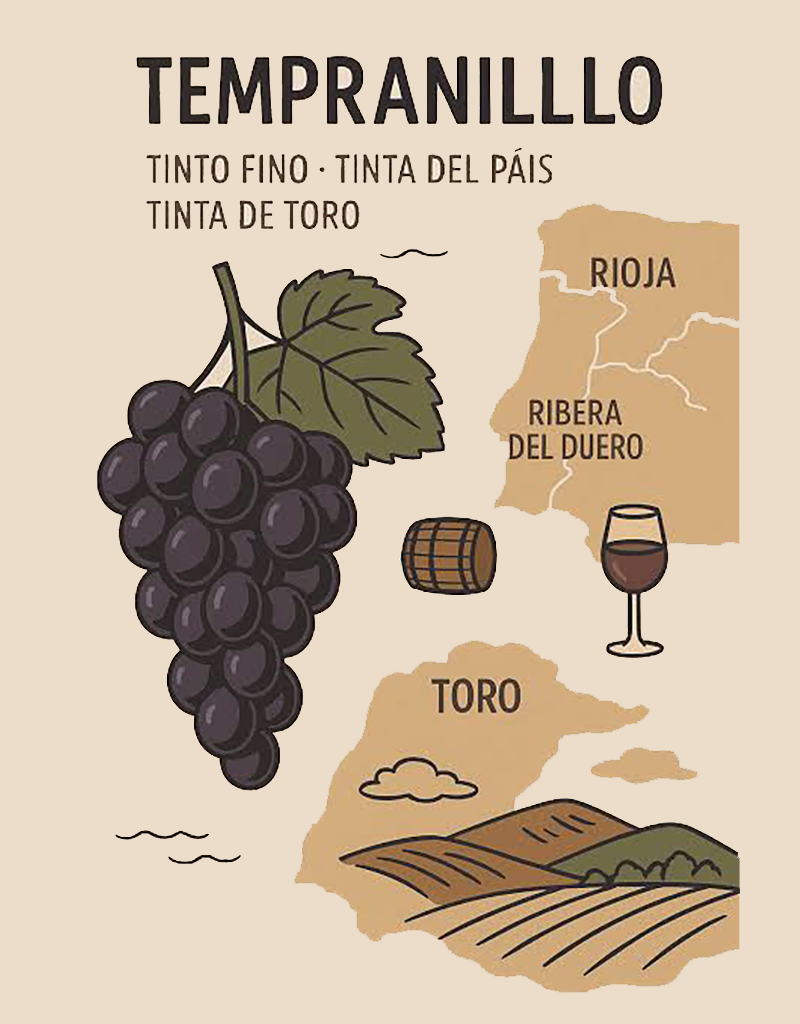
If Spain had a national red wine, it would speak with a Tempranillo accent. It's the grape behind the silky, cedar-scented bottles of Rioja, the muscular reds of Ribera del Duero, and the dark, brooding wines of Toro. Same grape, three very different personalities — and once you understand why, Spanish wine shelves suddenly make a lot more sense.
Here's your guide to the grape, the vineyards, and the three regions that made it famous.
A Grape That Likes to Get Started Early
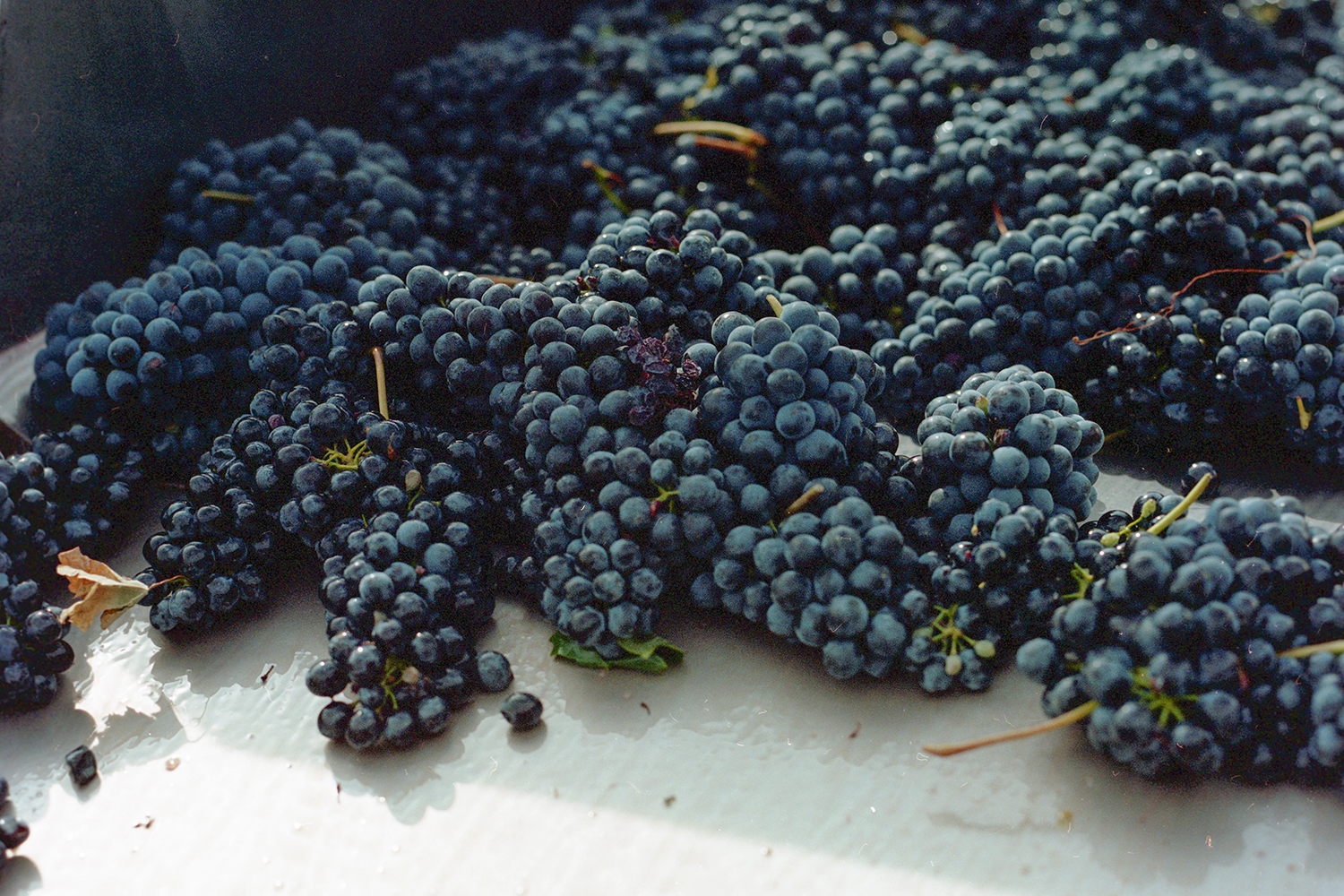
The name is a clue. Temprano means "early" in Spanish, and Tempranillo ripens noticeably earlier than most red grapes. That's not a small detail, it's the whole reason the grape thrives where it does.
Spain's central plateau is a brutal place to farm. Summers are scorching, winters are freezing, and the growing season is short. A late-ripening grape would still be hanging on the vine when the first frost arrives. Tempranillo gets its work done and gets out.
The berries themselves are round, blue-black, and wrapped in thick skin. Skin is where a red wine gets its color, its tannin, and much of its aroma, so thick-skinned grapes tend to make deeply colored, structurally serious wines. It's also why Tempranillo takes so well to oak barrels and long aging, there's enough backbone there to stand up to years in wood.
Tempranillo does have one quirk: it's naturally lower in acidity than grapes like Sangiovese or Cabernet Franc. Acidity is what makes a wine taste fresh and food-friendly rather than soft and flabby. Growers solve this with altitude. Plant the vines high enough and the nights turn cold, even in August, and cold nights lock in acidity while hot days ripen the fruit. Every great Tempranillo region is, in some way, a high-altitude region.
What It Actually Tastes Like
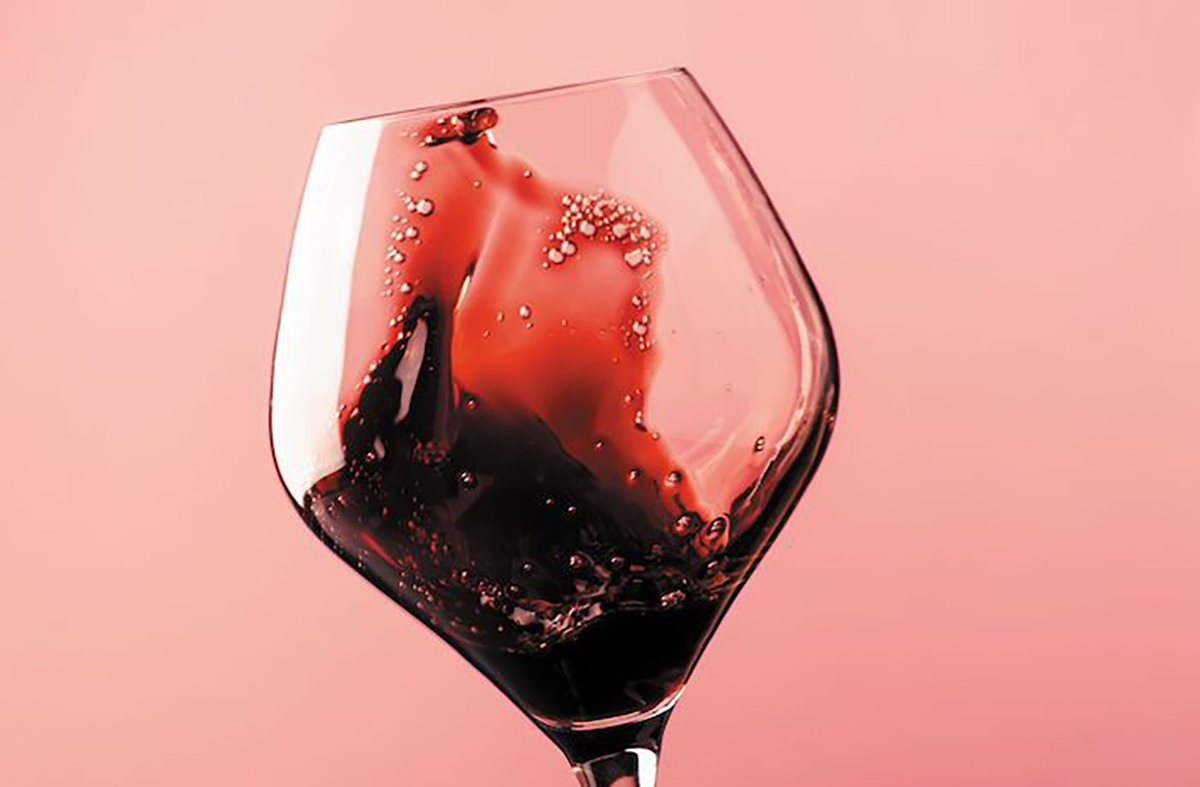
In the glass, classic Tempranillo leads with red fruit — strawberry, cherry, plum — layered with dried fig, tobacco leaf, sweet baking spice, and something savory that wine folks often describe as leather or dried herbs. It's medium to full bodied, with firm but rounded tannins.
Then there's oak. Spain's love affair with barrel aging, particularly American oak, gives many Tempranillos an unmistakable signature of vanilla, coconut, dill, and sweet cedar. Some producers lean into it hard; the modern wave prefers French oak and a lighter touch, letting the fruit lead. Both styles are delicious. Neither is more "correct."
Food-wise, it's remarkably easy to pair. Lamb, roast pork, chorizo, hard sheep's-milk cheeses, mushroom dishes, anything grilled. If a recipe involves smoke, salt, or slow roasting, reach for Tempranillo.
Rioja: The Elegant Elder Statesman
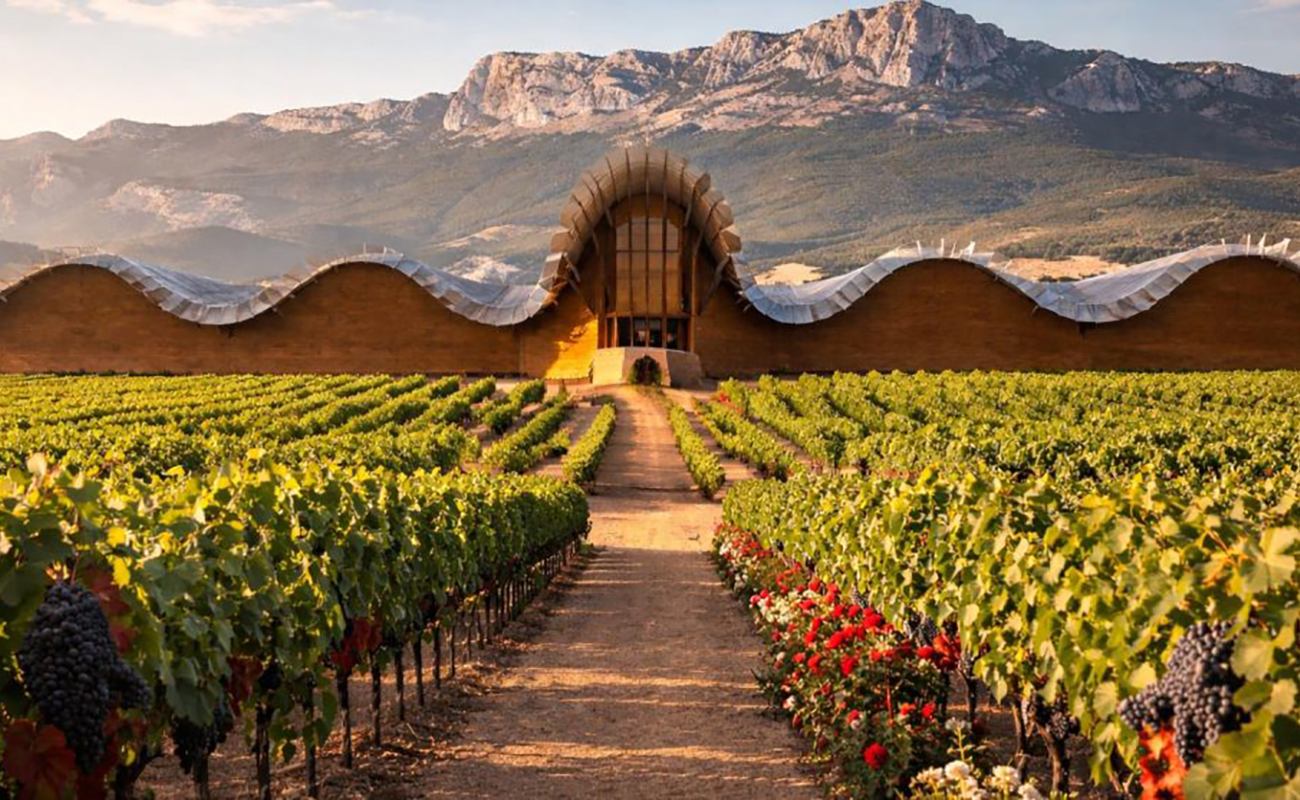
Rioja is where Tempranillo built its reputation. Tucked in northern Spain, sheltered from Atlantic storms by the Sierra de Cantabria mountains, it's the most temperate of the three regions and it shows in the wines. Rioja is the graceful one: perfumed, silky, more about texture and complexity than raw power. Tempranillo is usually blended here, with Garnacha, Graciano, and Mazuelo adding fruit, floral lift, and acidity.
What really defines Rioja is time. The region's rules mandate specific aging periods, and those categories appear right on the label:
-
Crianza — at least two years of aging, with a minimum of one year in oak barrel
-
Reserva — at least three years total, including one year in barrel and six months in bottle
-
Gran Reserva — at least five years total, with two years in barrel and two in bottle
This is unusual and genuinely consumer-friendly. In most of the world, you have no idea how long a wine has rested before release. In Rioja, the label tells you. A Crianza is your bright, everyday Tuesday-night bottle. A Reserva has more depth and dried-fruit complexity. A Gran Reserva, only made in strong vintages, is a different animal entirely: pale at the rim, silky, tasting of dried cherry, cigar box, and forest floor. Rioja Gran Reservas are among the best-value mature wines on earth, because the winery did the cellaring for you.
Ribera del Duero: Power at Altitude
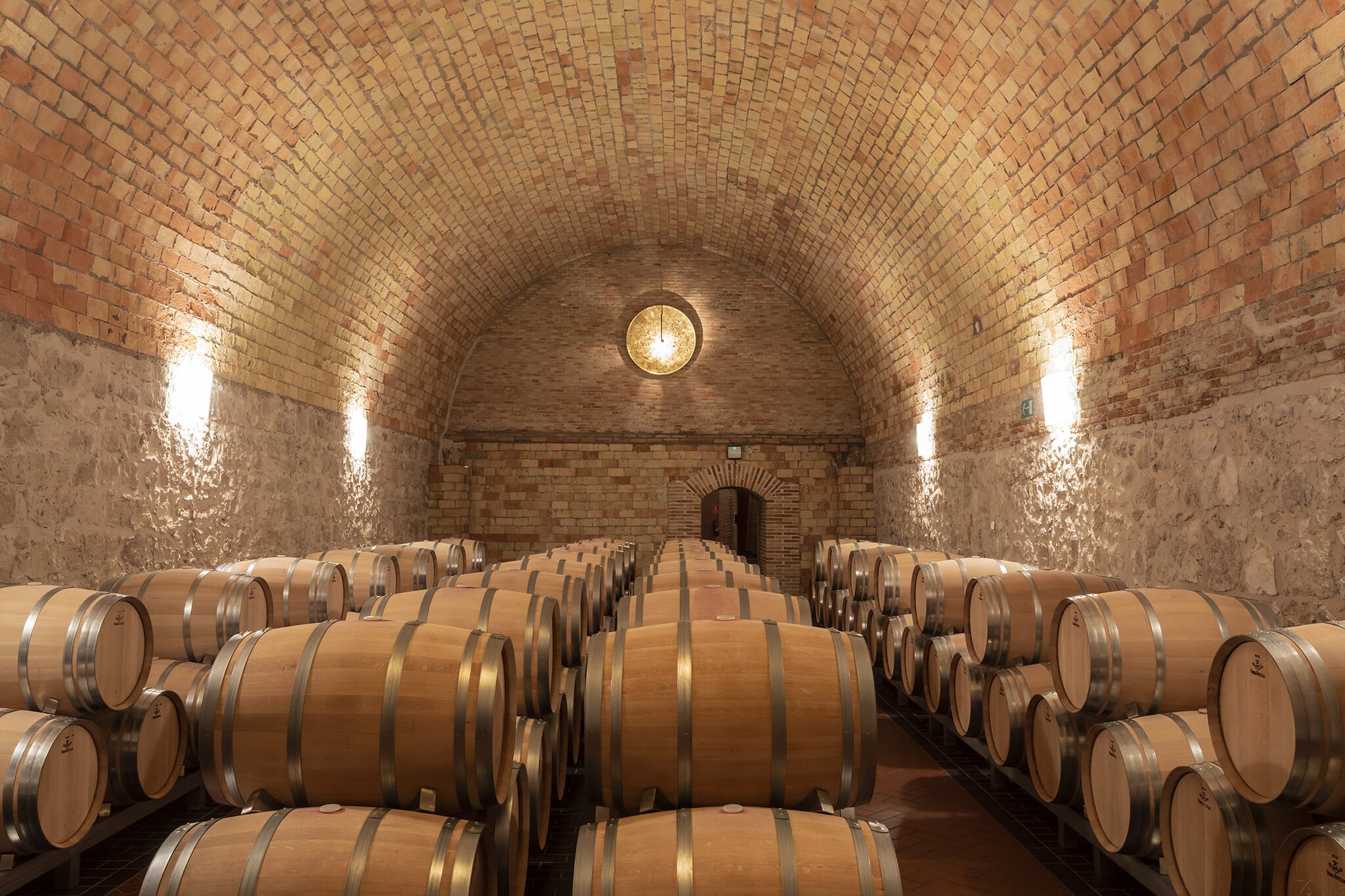
Drive southwest onto the high plateau of Castilla y León and Tempranillo changes character completely. Here it's called Tinto Fino or Tinta del País, and the vineyards sit roughly 700 to 900 meters above sea level.
The climate is genuinely extreme: summer days can top 40°C, winter nights can hit -20°C, and rainfall is barely 400 mm a year. The daily temperature swing during ripening can reach 20°C or more. Vines under that kind of stress produce small berries with thick skins and slow, late ripenin. Centuries of adaptation have nudged the local plant material toward even darker, more concentrated fruit than Rioja.
The result is a bolder wine: inky purple, packed with blackberry and black plum, more tannin, more grip, and a licorice-and-graphite edge. Soils of clay and sand over limestone help the vines find water in a bone-dry landscape. Ribera reds are typically made from Tempranillo alone or nearly so, and they reward a few extra years in the cellar. If Rioja is a cashmere sweater, Ribera del Duero is a leather jacket.
Toro: The Wild One
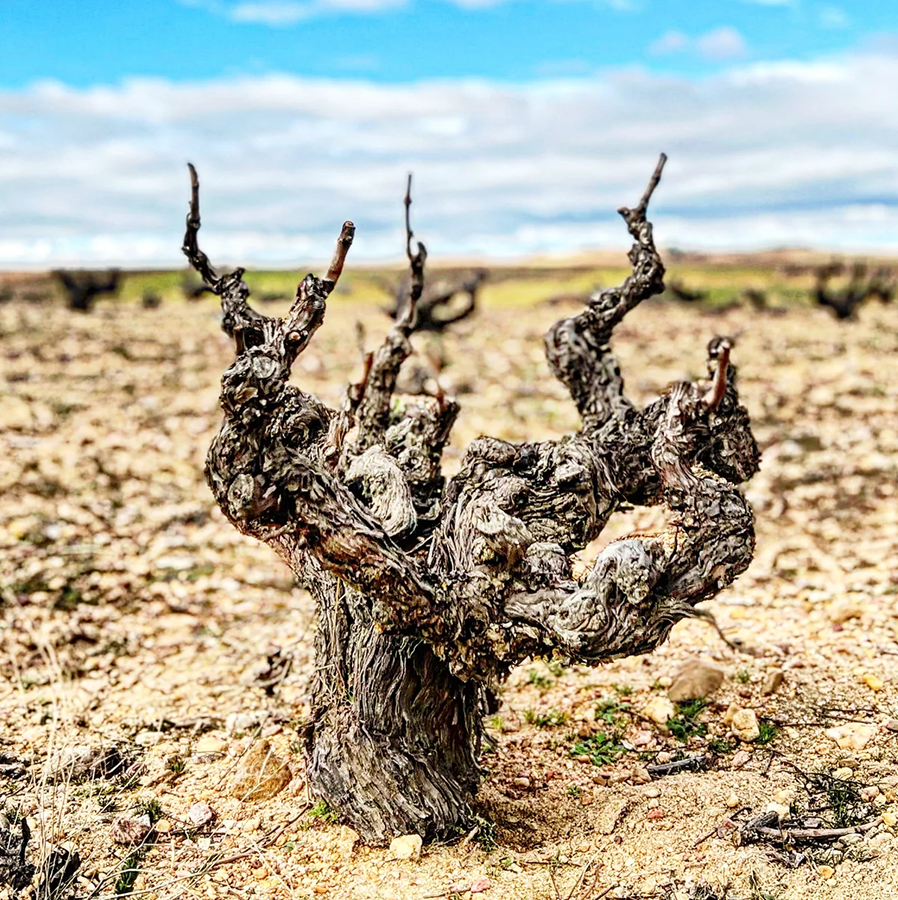
An hour further west sits Toro, the most rugged of the trio. Tempranillo here goes by Tinta de Toro, and the local vines have a longer growing cycle, thicker skins, and higher phenolic content than their cousins to the east — producing wines that are darker and more tannic still.
Toro's secret weapon is sand. The region's loose, free-draining sandy soils meant the phylloxera louse that destroyed Europe's vineyards in the 19th century never took hold, so Toro retains a remarkable stock of old, ungrafted vines — some planted over a century ago. Tinta de Toro accounts for roughly 90% of the region's plantings, and its small berries and thick skins mean an unusually high skin-to-juice ratio.
Translation: big wines. Toro is opaque, richly ripe, high in alcohol, and full of sweet dark fruit and mocha. In the wrong hands it can be a bruiser. In the right hands — particularly from those ancient vines — it's dense but poised, with a savory, stony finish. It's also the best value of the three.
How to Taste All Three
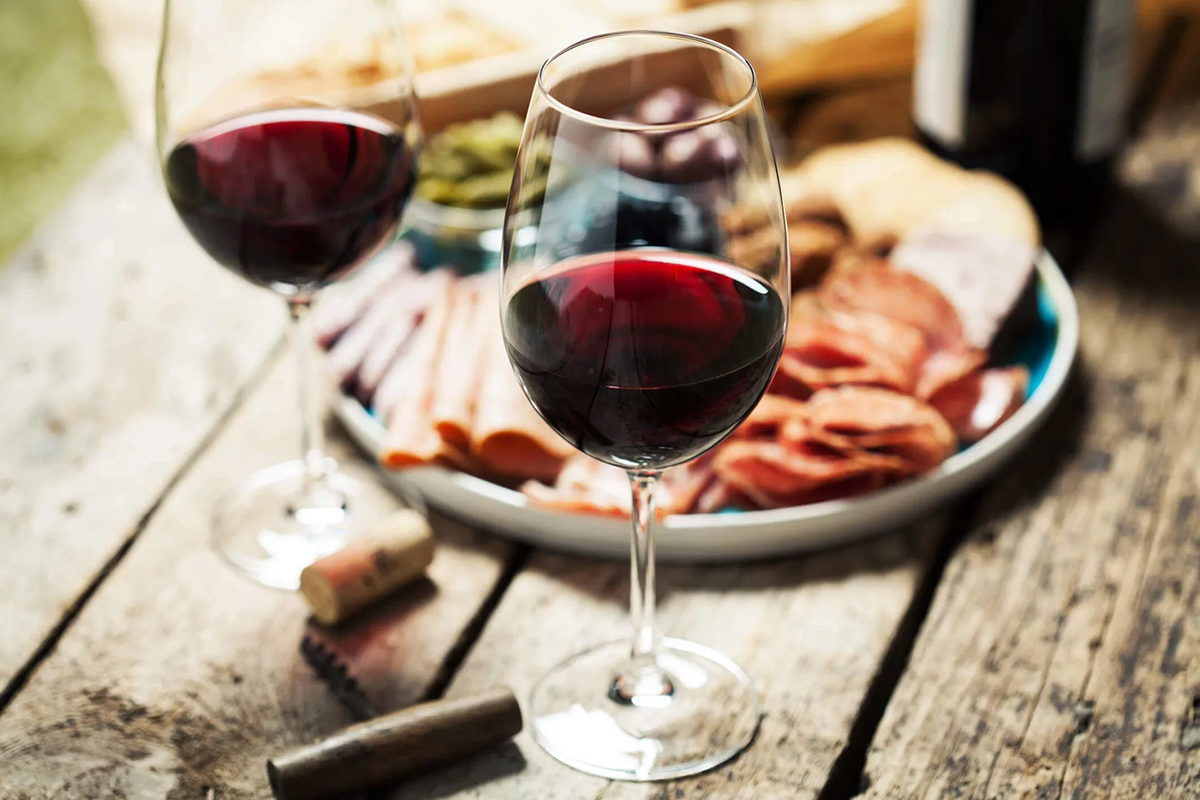
Buy one bottle from each region and open them side by side. Same grape, roughly the same price, and three unmistakable expressions of place. Rioja will feel the most polished, Ribera the most structured, Toro the most unrestrained.