
Chile: The New Old World
- Posted on
- By Tim Graham
- Posted in Cabernet Franc, Carmènére, Chile, Chilean wine, South America
Chile is one of those wine countries that quietly overdelivers—then suddenly becomes a staple on your dinner table and in restaurant lists. From everyday Cabernet to old‑vine País and crisp coastal whites, it’s a brilliantly diverse source of characterful, great‑value wines.
A Long, Thin Wine Playground
Chile runs for thousands of kilometres north to south, but is rarely more than a couple of hundred kilometres wide, squeezed between the Andes to the east and the Pacific to the west. This geography creates a mosaic of climates: desert influence in the north, Mediterranean warmth in the middle, and cool, rainy conditions as you head toward the far south.
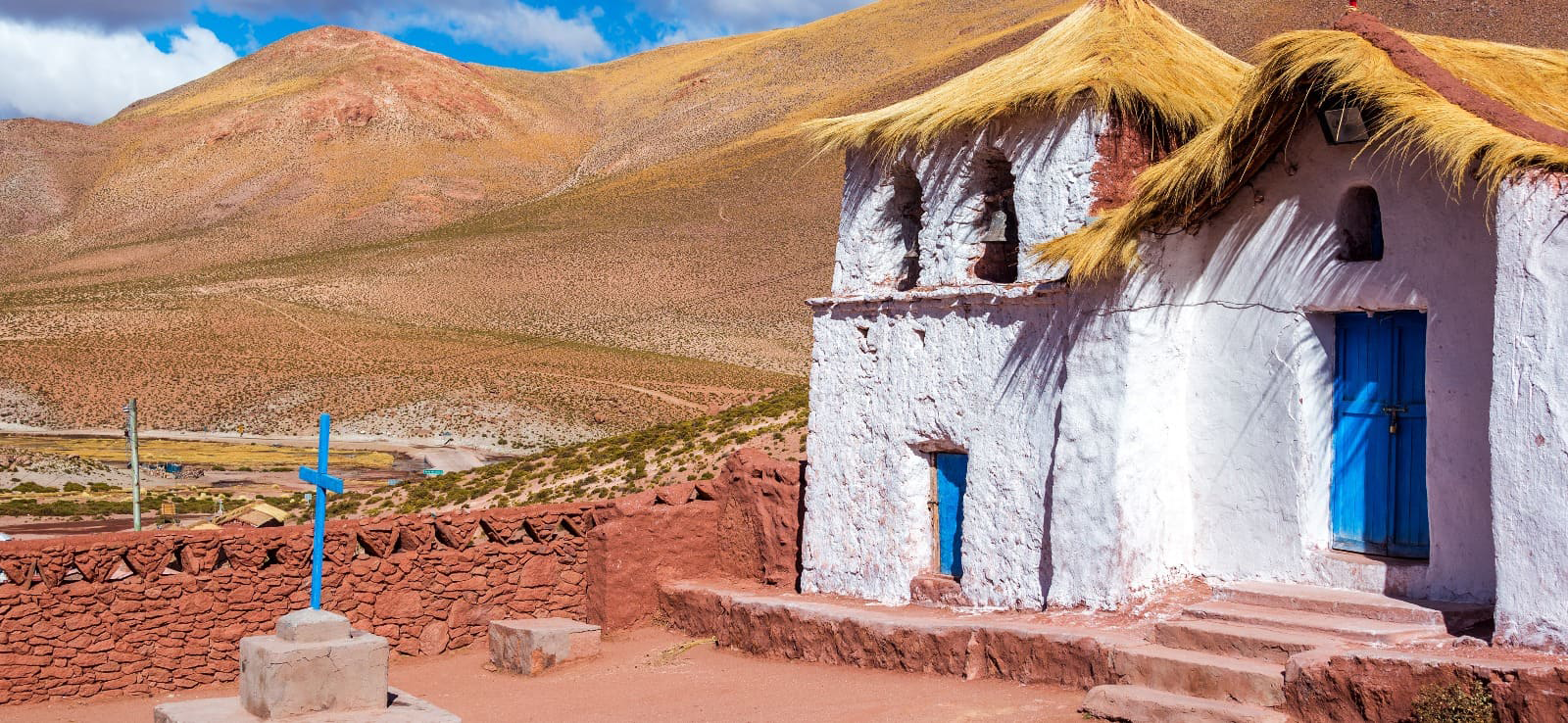
The main wine belt stretches through the centre of the country, from the edge of the Atacama Desert down toward the greener southern provinces. Natural barriers—the desert in the north and glaciers in the far south—help keep Chile’s vineyards relatively free from many vine diseases and pests, which is part of its appeal to winemakers from around the world.
A Brief History of Chilean Wine
Wine arrived with the Spanish in the 16th century, when missionaries planted vines to supply wine for religious services and everyday use. País (also known as Listán Prieto) became the workhorse grape for simple, rustic wines enjoyed locally.
In the late 19th century, Chile enjoyed a “golden age” when wealthy families imported French varieties like Cabernet Sauvignon and Merlot and built grand estates. While Europe struggled with the vine‑destroying pest phylloxera, Chile’s isolated vineyards stayed healthy, giving the country a unique advantage.
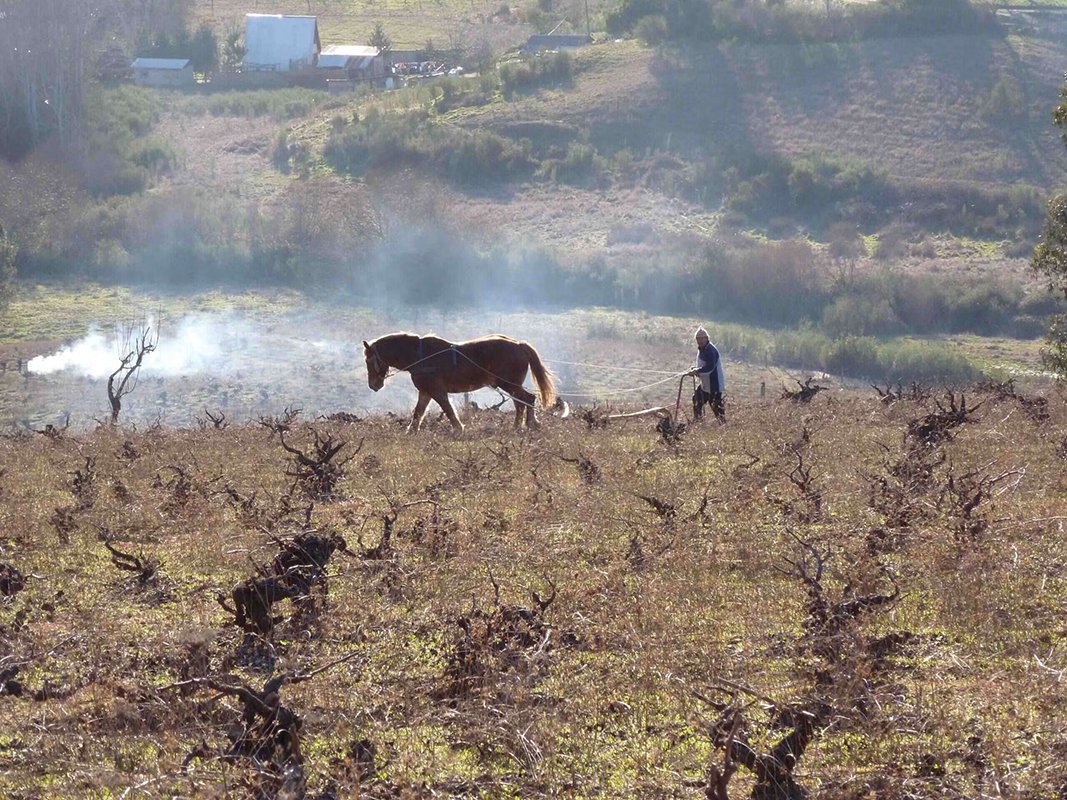
For much of the 20th century, the industry focused on quantity over quality, producing large volumes for domestic consumption. From the late 1980s onwards, modernisation took off: stainless‑steel tanks, small oak barrels and new technology transformed production, and Chile began to look outward, exporting to markets across the globe.
One turning point came in the 1990s, when experts discovered that many vines thought to be Merlot were actually Carmenère—an old Bordeaux variety nearly wiped out in Europe. That discovery gave Chile a “signature” grape and sparked a wave of renewed interest in its vineyards.
Chile’s Wine Regions in Plain Language
Chile’s official wine zones run north to south and are divided into regions and valleys, but you can think of them more simply as a series of bands influenced by mountains, sea and latitude.
The Northern Frontier
In the north, regions like Coquimbo and the emerging Atacama wine areas sit near the desert, yet benefit from cool ocean breezes and mountain altitude.
-
Elqui: Produces characterful Syrah and fresh whites such as Sauvignon Blanc, often alongside grapes used for pisco, Chile’s famous grape spirit.
-
Limarí: Known for its limestone‑rich soils and coastal influence, giving tense, mineral‑driven Chardonnay and elegant reds.
-
Choapa and Huasco: Small, warm zones where producers experiment with Carmenère, Cabernet Sauvignon and other varieties in dramatic landscapes.
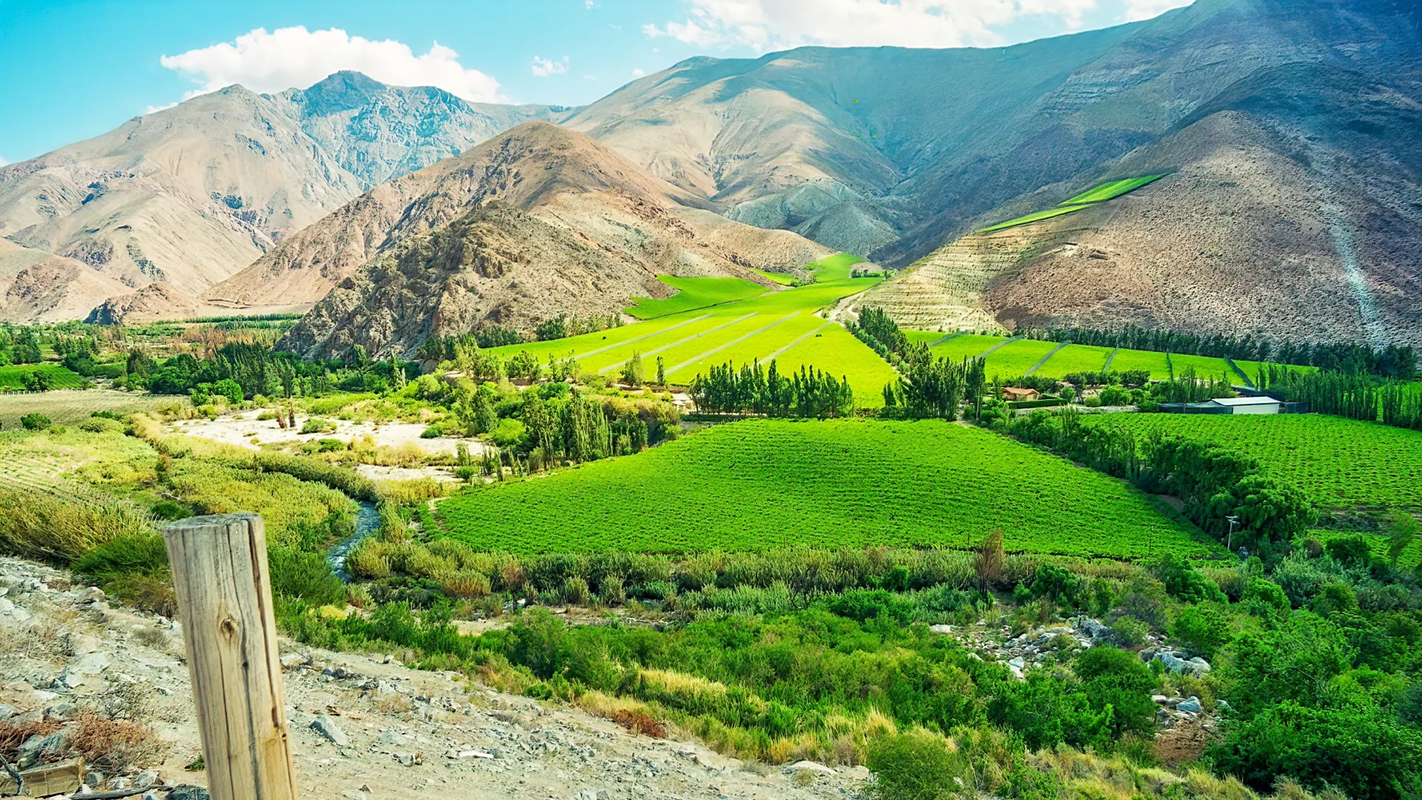
These northern vineyards show that Chilean wine isn’t just about lush green valleys; it can thrive even on the edge of the desert.
Coastal Cool and Classic Valleys
Further south, around the Aconcagua Region and nearby coastal valleys, you find a mix of warm inland sites and cool, ocean‑kissed hills.
-
Aconcagua Valley: Traditionally a source of ripe, full‑bodied reds like Cabernet and Syrah, now also planted on cooler slopes.
-
Casablanca: One of Chile’s best‑known cool‑climate areas, producing vibrant Sauvignon Blanc, Chardonnay and Pinot Noir—great options if you like zesty, refreshing wines.
-
San Antonio and Leyda: Very close to the Pacific, these vineyards are wind‑swept and cool, excellent for high‑acid whites and delicate Pinot Noir.
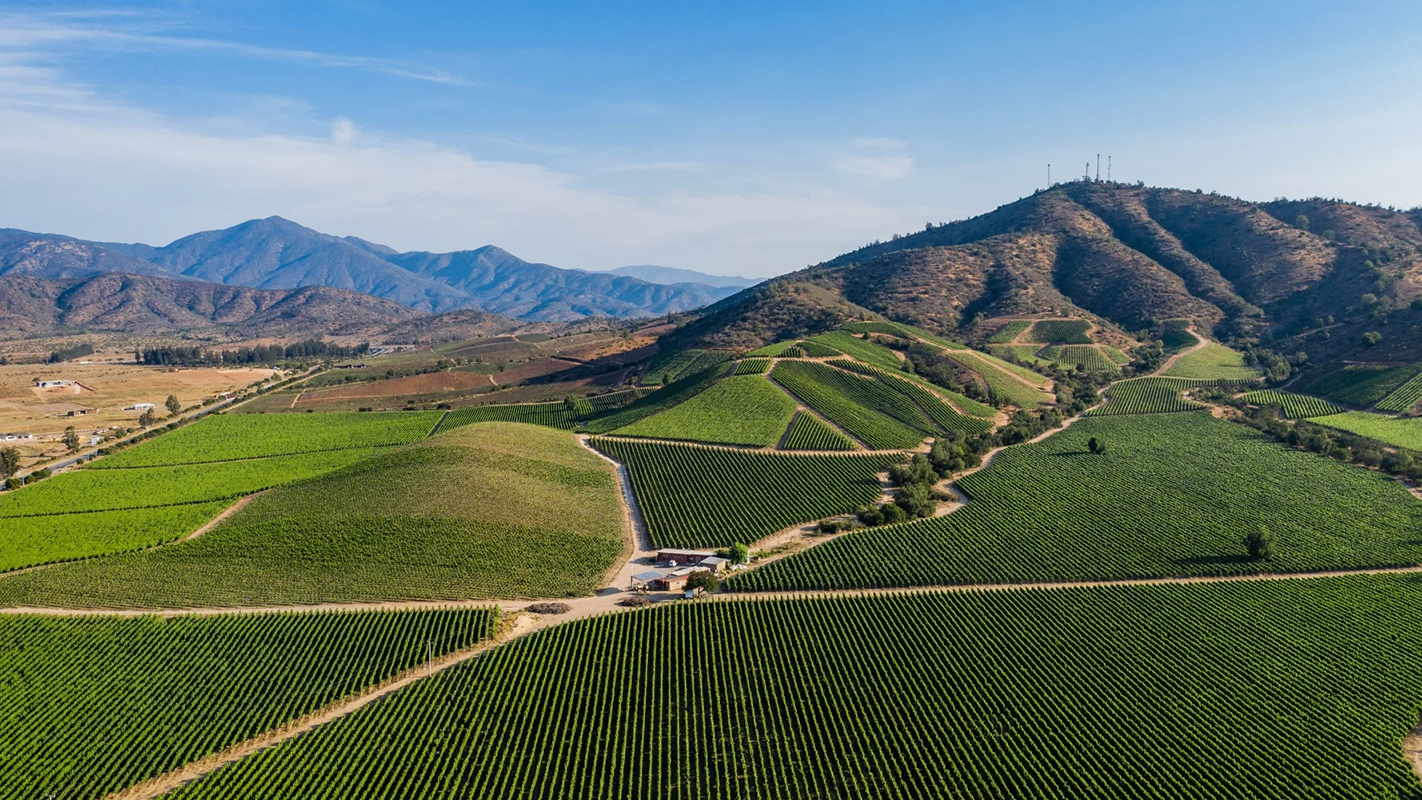
These regions helped change Chile’s reputation from “big reds only” to a country capable of producing refined, seafood‑friendly whites and lighter reds.
The Heartland: Central Valley
The Central Valley is Chile’s wine heartland and the source of many bottles you’ll see in supermarkets and wine shops.
-
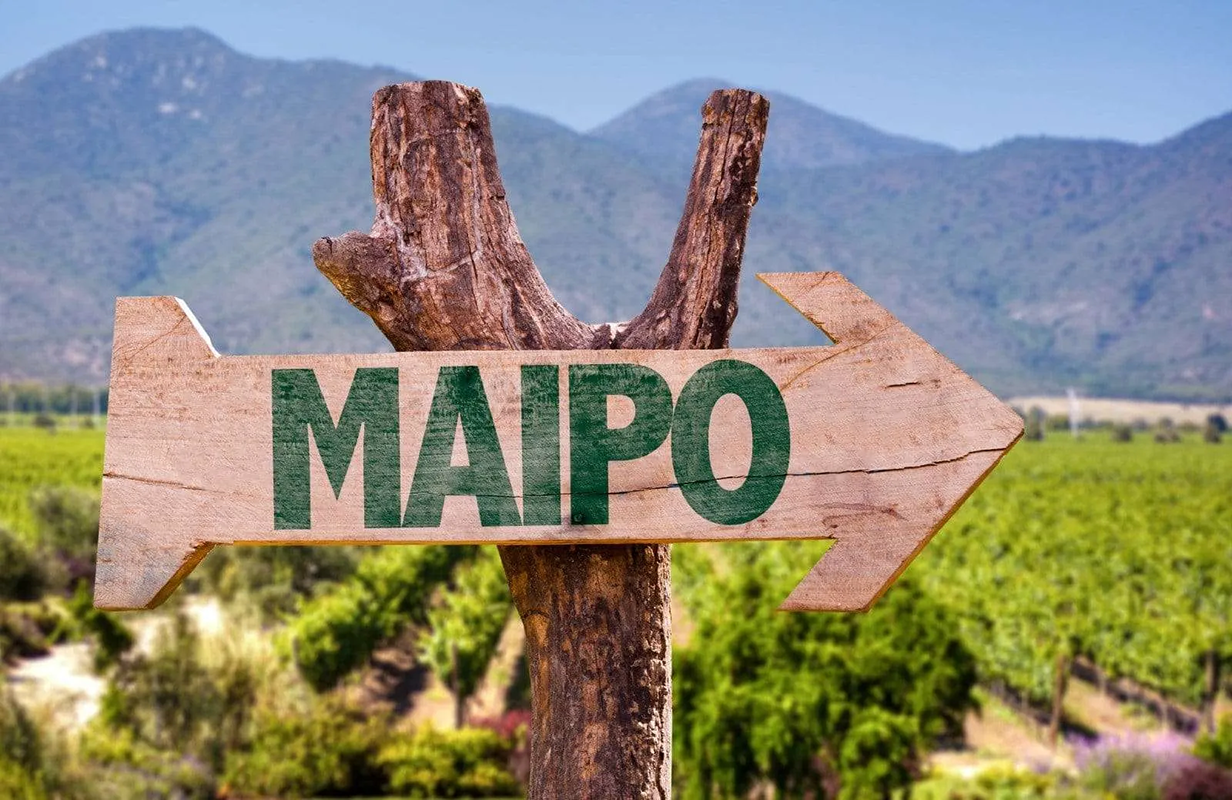
Maipo: Near the capital, Santiago, and famous for classic Cabernet Sauvignon—think blackcurrant flavours, firm structure and often a hint of mint or herbs.
-
Rapel (Cachapoal and Colchagua): Warm, reliable areas that produce plush reds, especially Carmenère and Cabernet, often with generous fruit and spice.
-
Curicó: Historically important for Chile’s international push, with a broad range of grapes and styles.
-
Maule: Large and varied, with everything from affordable blends to exciting old‑vine País and Carignan, often made in a more artisanal, small‑production style.
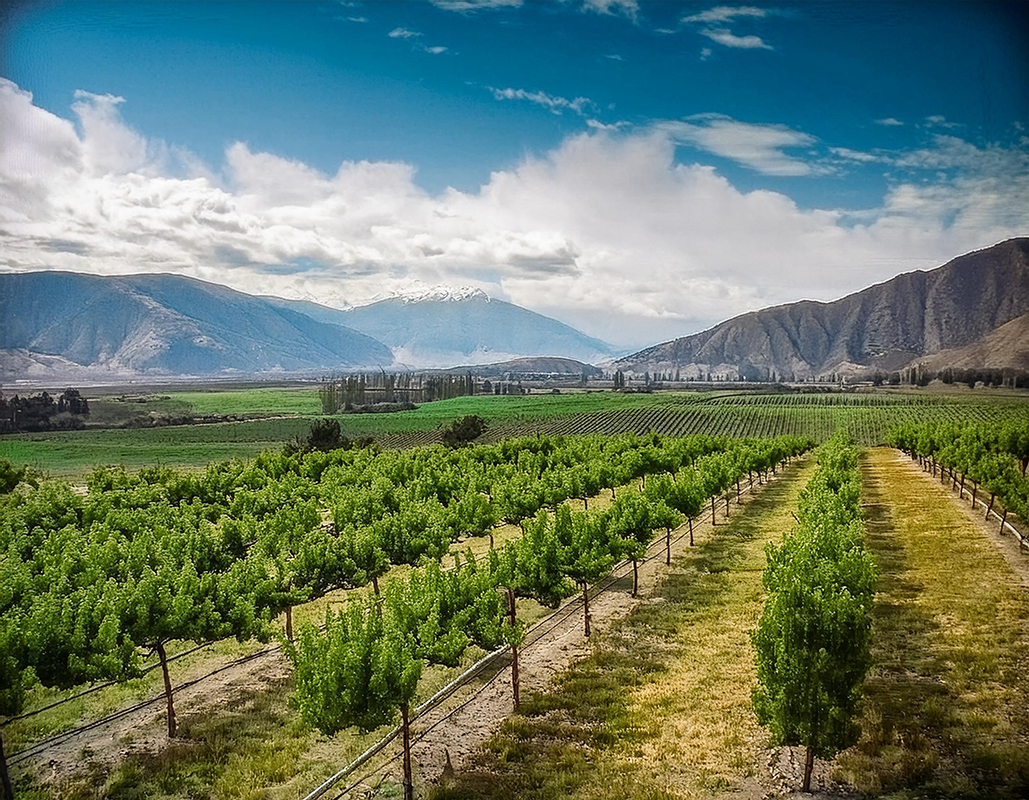
If you’ve bought a Chilean Cabernet or Carmenère for a weekday dinner, it probably came from this central band.
The South and Beyond
Travel further south and the climate turns cooler and wetter, opening the door to different styles.
-
Itata: Home to old bush‑trained vines of País, Cinsault and Muscat, now making some of Chile’s most intriguing, lighter‑bodied and fresh wines.
-
Bío Bío and Malleco: Cooler zones that suit grapes like Pinot Noir and Chardonnay, giving bright, crisp wines with lower alcohol and higher acidity.
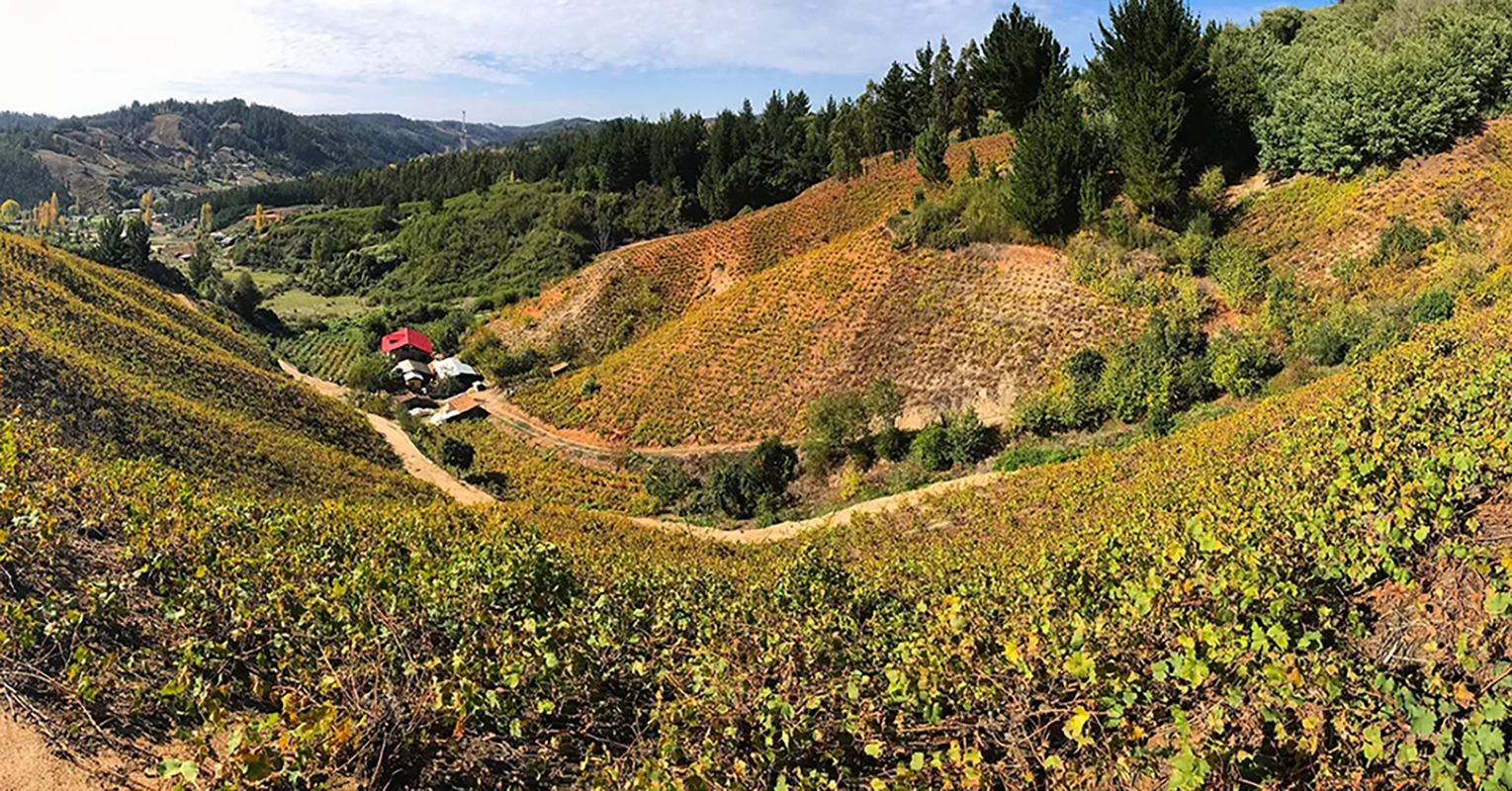
Even further south, new plantings in the Austral region push into genuinely marginal territory, where winegrowers chase delicate, low‑alcohol styles in a landscape more associated with forests and rain than vineyards.
The Grapes You’re Likely to Meet
Chile’s star red grape is Cabernet Sauvignon, used for everything from budget‑friendly everyday drinking wines to serious bottles capable of ageing. Typical flavours include blackcurrant, plum and sometimes mint or eucalyptus, with moderate tannins and a smooth finish.
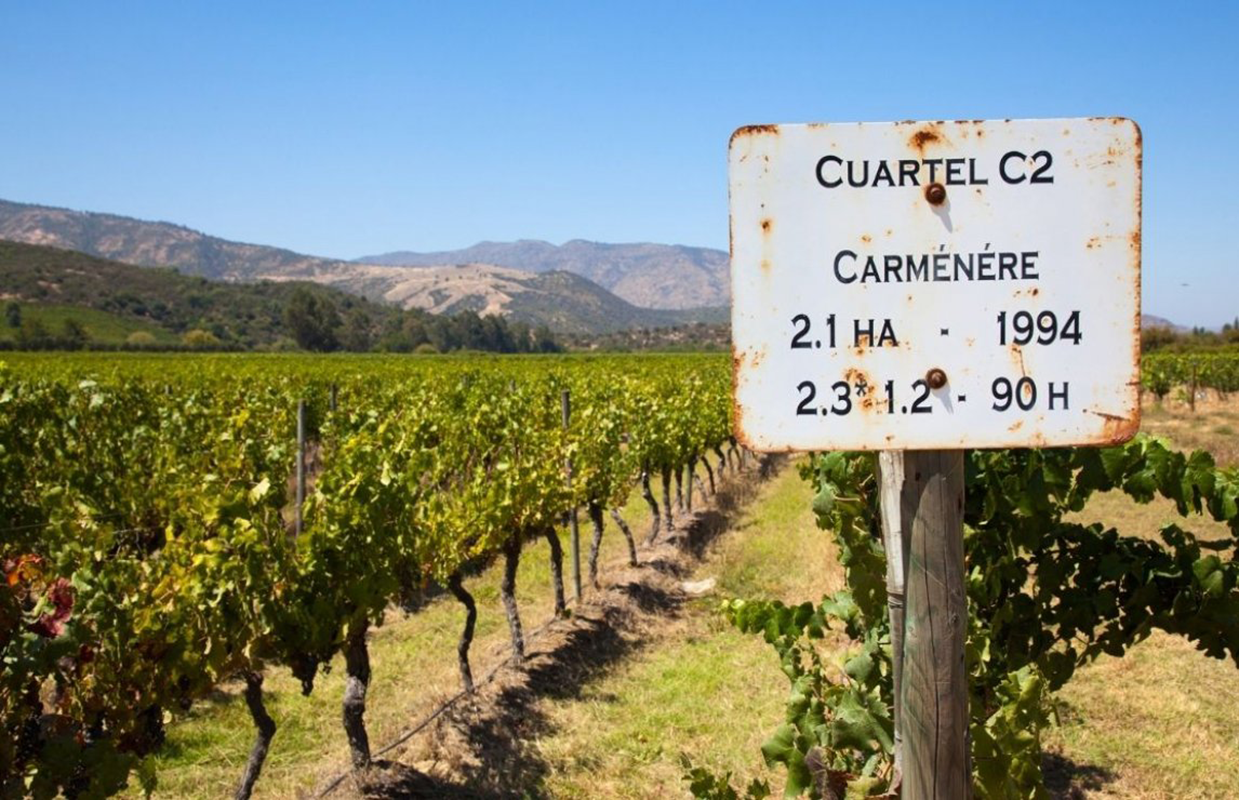
Carmenère is Chile’s calling card, especially in regions like Colchagua and Cachapoal. Expect deep colour, soft tannins and notes of dark fruit, spice and green pepper; better examples balance the leafy character with ripe fruit and subtle oak.
You’ll also see Merlot and Syrah widely planted, along with Malbec, Pinot Noir and increasingly fashionable old‑vine Carignan in places like Maule. País, once considered only good enough for basic local wine, now appears in fresh, juicy reds that appeal to fans of lighter, more “drinkable” styles.
On the white side, Sauvignon Blanc leads the charge, particularly from coastal regions such as Casablanca, Leyda and San Antonio. These wines tend to be zesty and aromatic, making them great partners for seafood and salads. Chardonnay is everywhere, ranging from simple, fruity examples to more complex, barrel‑fermented wines with creamier textures.
There’s also a growing cast of supporting whites—Riesling, Gewürztraminer, Viognier and Semillon—often planted in cooler spots and used for more niche, distinctive bottles.
Why Chilean Wine Deserves a Spot in Your Glass
For everyday drinkers, Chile offers a rare combination of quality, consistency and value. You can find reliable, well‑made bottles at modest prices, but there’s also plenty of excitement for those who like to explore—from wild, coastal Sauvignon Blancs and high‑altitude Syrah to delicate southern Pinot Noir and vibrant old‑vine País.
Chile also tells a broader story about modern wine: how geography shapes flavour, how a country can reinvent itself through better farming and technology, and how “forgotten” grapes like Carmenère and País can return as heroes.