
Donnafugata: The Woman in Flight and the Reinvention of Sicilian Wine
- Posted on
- By Tim Graham
- Posted in Donnafugata, Mount Etna, Sicilian Wine, Sicily
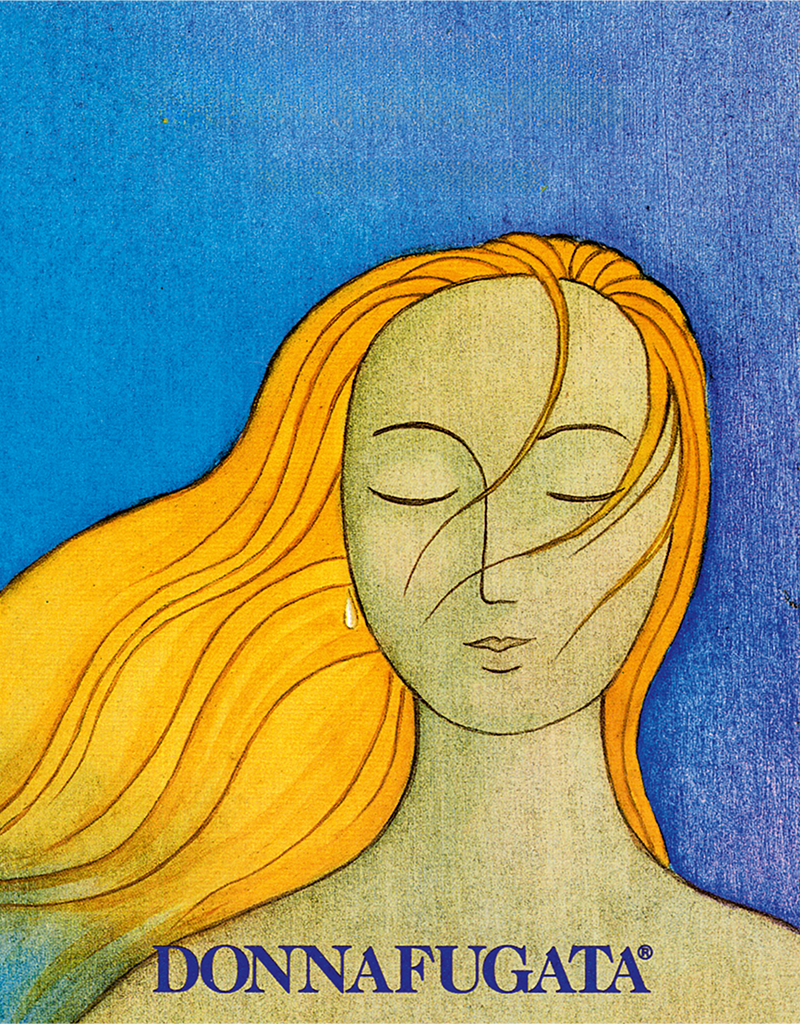
There is a moment in Giuseppe Tomasi di Lampedusa's The Leopard when the Prince of Salina retreats from a convulsing Sicily to his country estate, a place the novelist called Donnafugata. The name, in dialect, means "woman in flight," and it carries an older story still: a Bourbon queen who fled Naples in the Napoleonic years and found refuge in the hills of western Sicily. When Gabriella Anca Rallo and her husband Giacomo founded a new winery in 1983, they chose that name deliberately. It was a declaration that Sicilian wine could break with its past and, like the Prince, change so that things might stay the same — the land, the varieties, the light — while everything about how the world saw them was made new.
From Marsala to the Hills
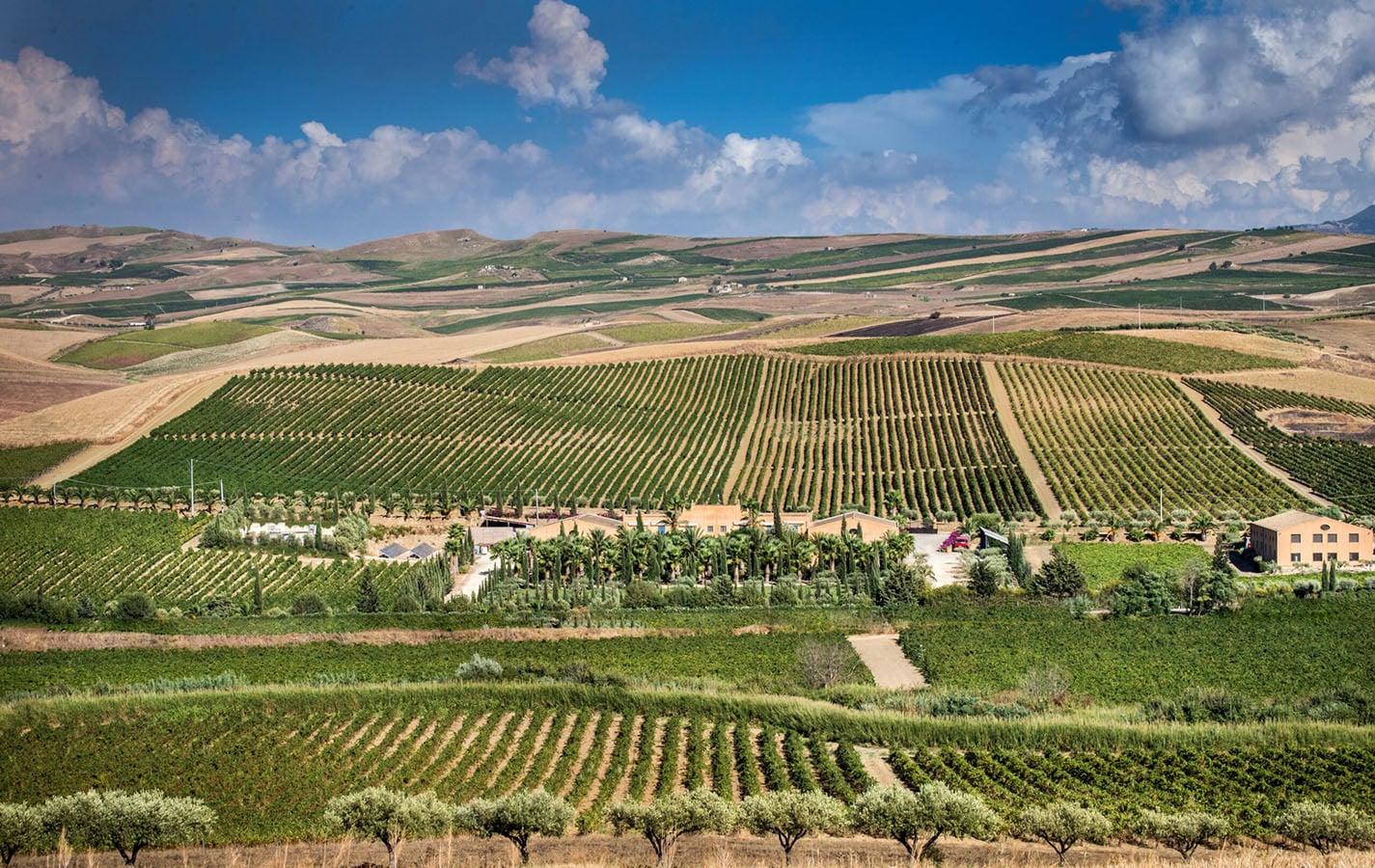
The Rallo family had been making wine in Marsala since 1851, four generations in the fortified trade that Englishmen had built along Sicily's western coast. By the early 1980s that trade was in slow decline, and Sicily's reputation abroad was for bulk wine shipped north to fortify blends that never bore its name. Giacomo Rallo, the fourth generation, saw no future in that. Gabriella, who had inherited land at Contessa Entellina in the interior of Palermo province, saw something else: hills at 200 to 600 metres, clay-limestone soils, and enough diurnal swing to grow wines of real aromatic definition.
Contessa Entellina became the winery's first estate and remains its heart, some 340 hectares planted to nearly twenty varieties. It is where Donnafugata pioneered night harvesting in 1998, picking Chardonnay under floodlights to preserve fresh fruit and lower the energy cost of chilling grapes — a practice now common across the Mediterranean but radical then. It is also the source of the estate's flagship reds: Mille e una Notte, a Nero d'Avola-led cuvée aged in French oak, and Tancredi, named for the novel's charming and opportunistic nephew. The whites tell the same story from a different angle. Vigna di Gabri, from Gabriella's favourite vineyard, is built on Ansonica (Inzolia), a variety most Sicilian producers had relegated to anonymity.
Their children, José and Antonio, joined the company in 1990 — José from management consulting, Antonio with a degree in agronomy from Palermo. Giacomo died in 2016, and today the siblings run Donnafugata together, with a sixth generation already at work. The labels, painted by the artist Stefano Vitale, have become as recognisable as any in Italy: a woman's head with hair streaming behind her, the queen still in flight.
Pantelleria: Heroic Viticulture
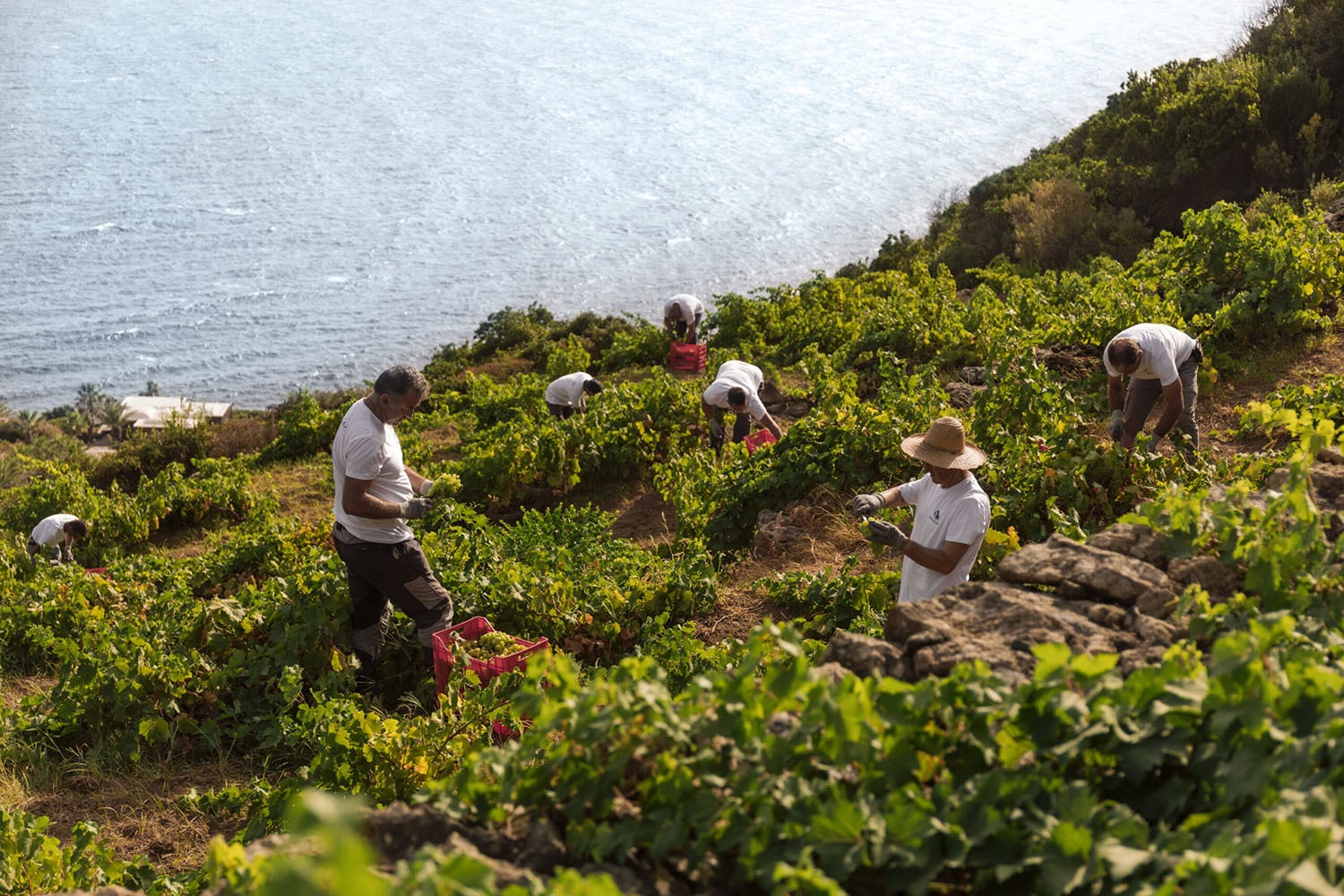
If Contessa Entellina made Donnafugata's reputation, Pantelleria made it a legend. This volcanic island lies closer to Tunisia than to Sicily, scoured by wind for most of the year. The only way to grow vines here is the alberello pantesco: a low, head-trained bush vine planted in a hollow dug into the black soil, sheltered by terraces and dry-stone walls — Donnafugata maintains around forty kilometres of them by hand. UNESCO inscribed the practice as intangible cultural heritage in 2014, the first agricultural technique so recognised.
The grape is Zibibbo — Muscat of Alexandria — and the wine is Ben Ryé, a Passito di Pantelleria that many consider the finest sweet wine in Italy. The method is where the winemaking becomes genuinely interesting. A portion of the harvest is picked early and dried on racks in the sun for weeks, then destemmed by hand. Meanwhile, fresh grapes are picked and fermented normally. The dried fruit is added to the fermenting must in successive stages, each addition stopping fermentation briefly before it resumes, building layers of dried apricot, orange peel and honey against the island's saline, mineral backbone. The result is opulent without heaviness — a wine that Antonio Rallo describes as the truest expression of Sicily's volcanic soul.
East to the Volcano and the Hyblaean Hills
Sicily is less an island than a continent of wine, and for two decades Donnafugata's ambition was to read all of it. In 2016 the family acquired vineyards in two eastern territories that could hardly be more different from the west.
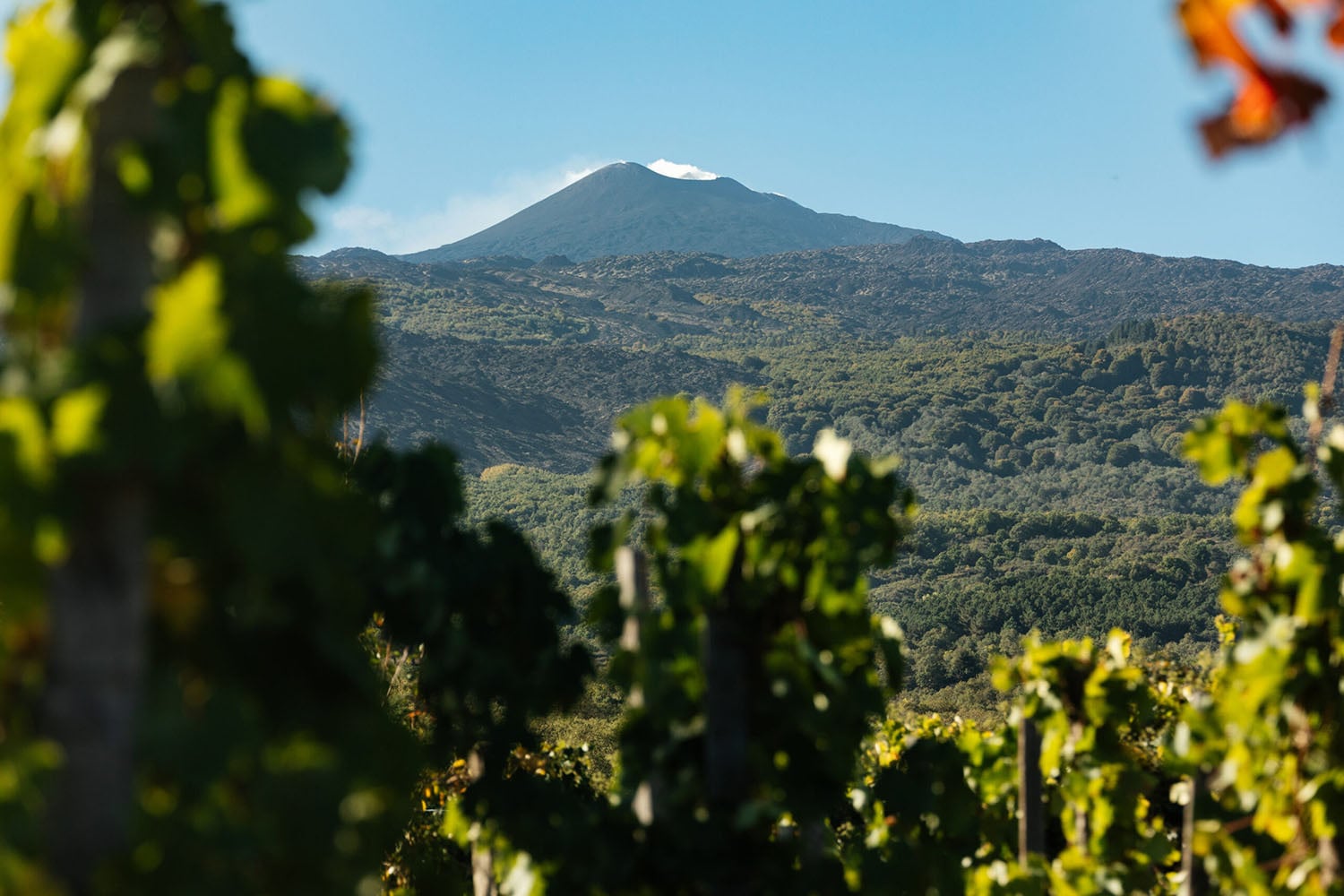
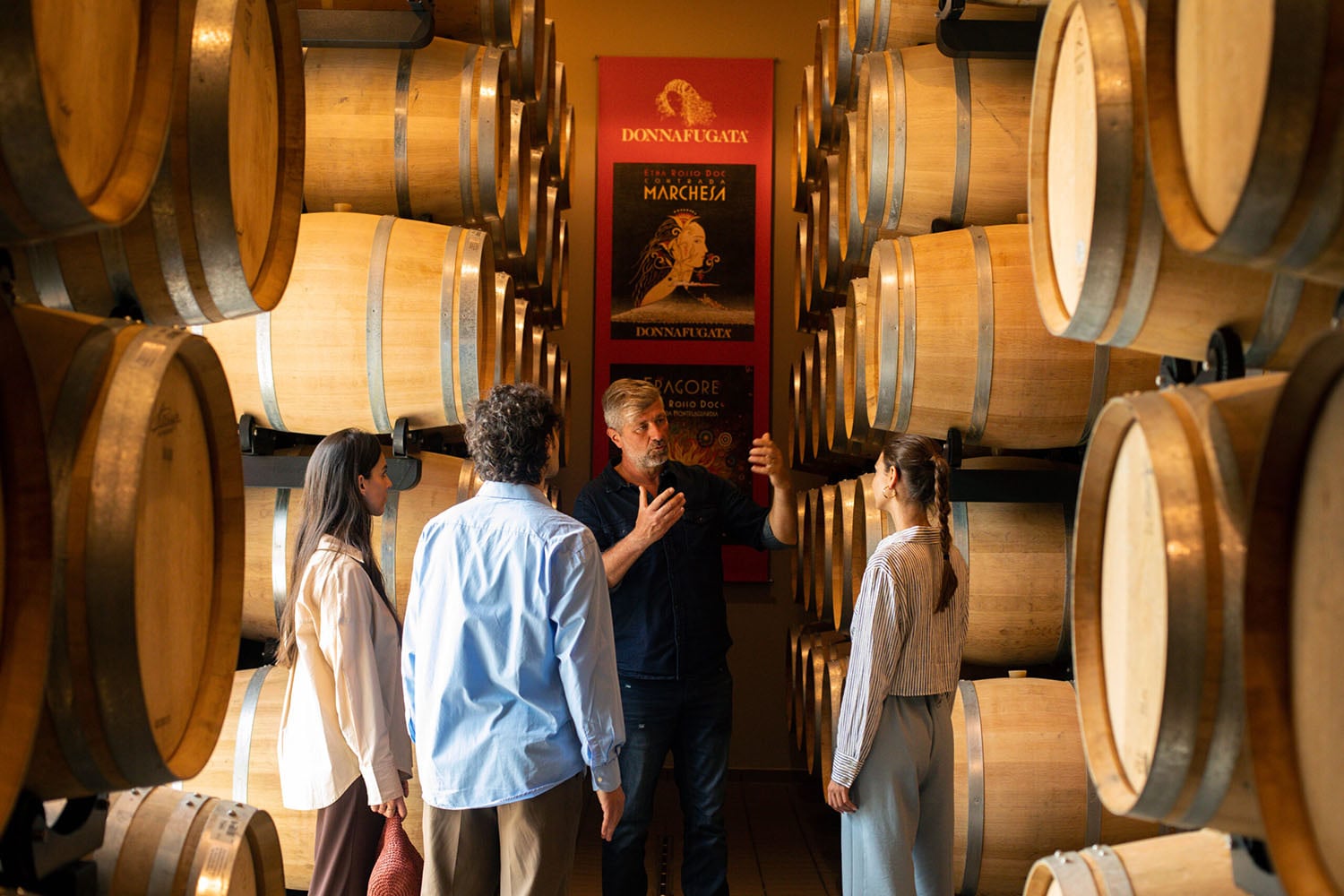
On the northern slope of Etna, near Randazzo, roughly 35 hectares of Carricante and Nerello Mascalese grow on lava and volcanic ash at high altitude, where the mountain's cold nights produce whites of almost Alpine tension and reds of pale, fragrant, Burgundian delicacy. The Sul Vulcano bottlings are the estate's introduction; Fragore, a single-contrada Etna Rosso, is its serious statement. Further south, in Vittoria, around 40 hectares of Nero d'Avola and Frappato sit between the Hyblaean plateau and the coast, in red sandy soils that give Cerasuolo di Vittoria — Sicily's only DOCG — its distinctive perfume of wild strawberry and rose. Frappato on its own, in a wine like Bell'Assai, may be the most joyful red the island produces.
A Sicily That Dares
What unites these estates is a philosophy rather than a style. Donnafugata joined SOStain, Sicily's sustainability protocol, in 2021, and generates much of its own energy; the vineyards are farmed with an eye to biodiversity rather than to any fashionable doctrine. When Netflix adapted The Leopard in 2025, the estate released a special edition of Mille e una Notte to mark the occasion — a reminder that the literary conceit at its founding was never merely decorative. Four decades on, Donnafugata's wines still do what Gabriella Rallo intended: they refuse to hide where they come from.
Our Donnafugata tasting on October 1st has already sold out. If you'd like a seat at the next one, ask us to add you to the list.