There is a moment in Giuseppe Tomasi di Lampedusa's The Leopard when the Prince of Salina retreats from a convulsing Sicily to his country estate, a place the novelist called Donnafugata. The name, in dialect, means "woman in flight," and it carries an older story still: a Bourbon queen who fled Naples in the Napoleonic years and found refuge in the hills of western Sicily. When Gabriella Anca Rallo and her husband Giacomo founded a new winery in 1983, they chose that name deliberately. It was a declaration that Sicilian wine could break with its past and, like the Prince, change so that things might stay the same — the land, the varieties, the light — while everything about how the world saw them was made new.
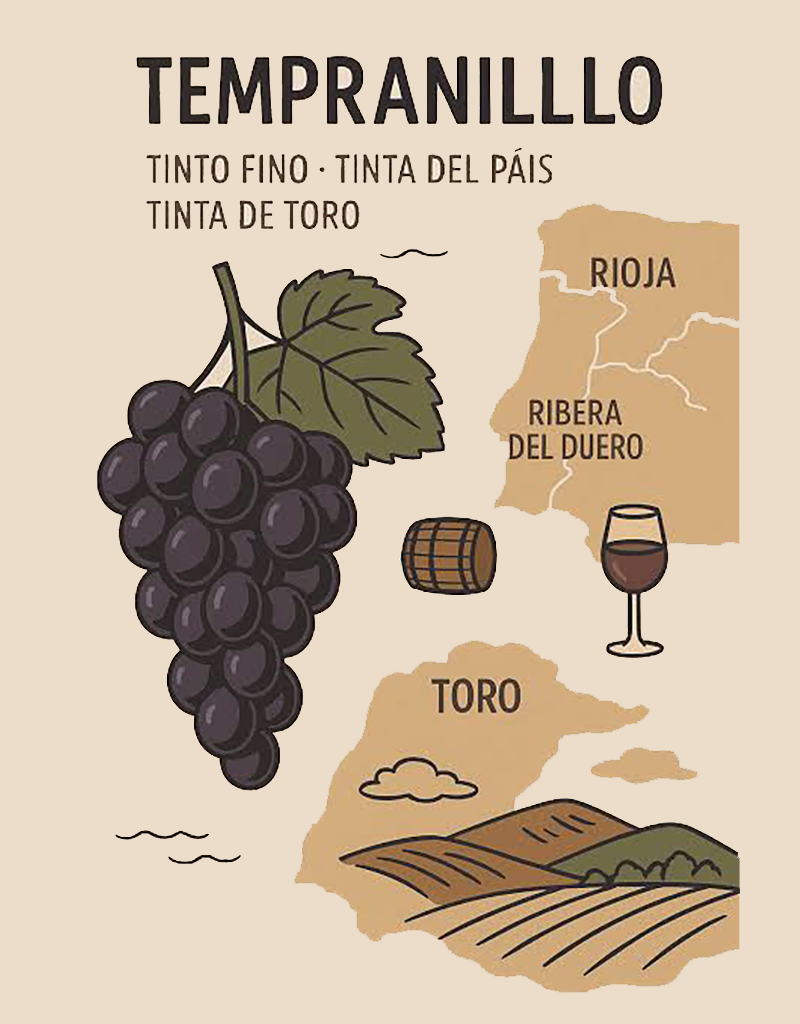
If Spain had a national red wine, it would speak with a Tempranillo accent. It's the grape behind the silky, cedar-scented bottles of Rioja, the muscular reds of Ribera del Duero, and the dark, brooding wines of Toro. Same grape, three very different personalities — and once you understand why, Spanish wine shelves suddenly make a lot more sense.
Here's your guide to the grape, the vineyards, and the three regions that made it famous.
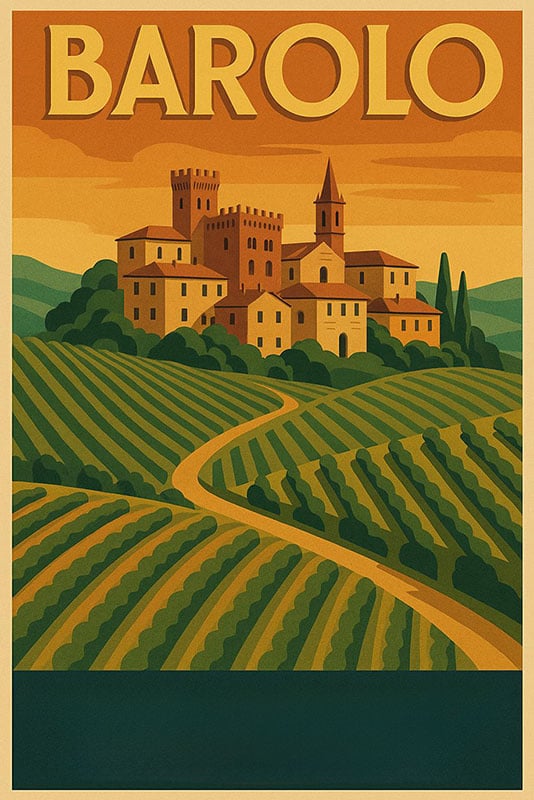
Tucked into Italy's northwest corner, where the Alps curl around a sea of hills, sits a region that doesn't shout. Tuscany has the postcards. Piedmont has the wine. Its name literally means "foot of the mountain," and that geography explains almost everything about what ends up in your glass here: cool air spilling down from the peaks, fog pooling in the valleys at harvest, and slopes angled just right to catch the last of the warm autumn sun.
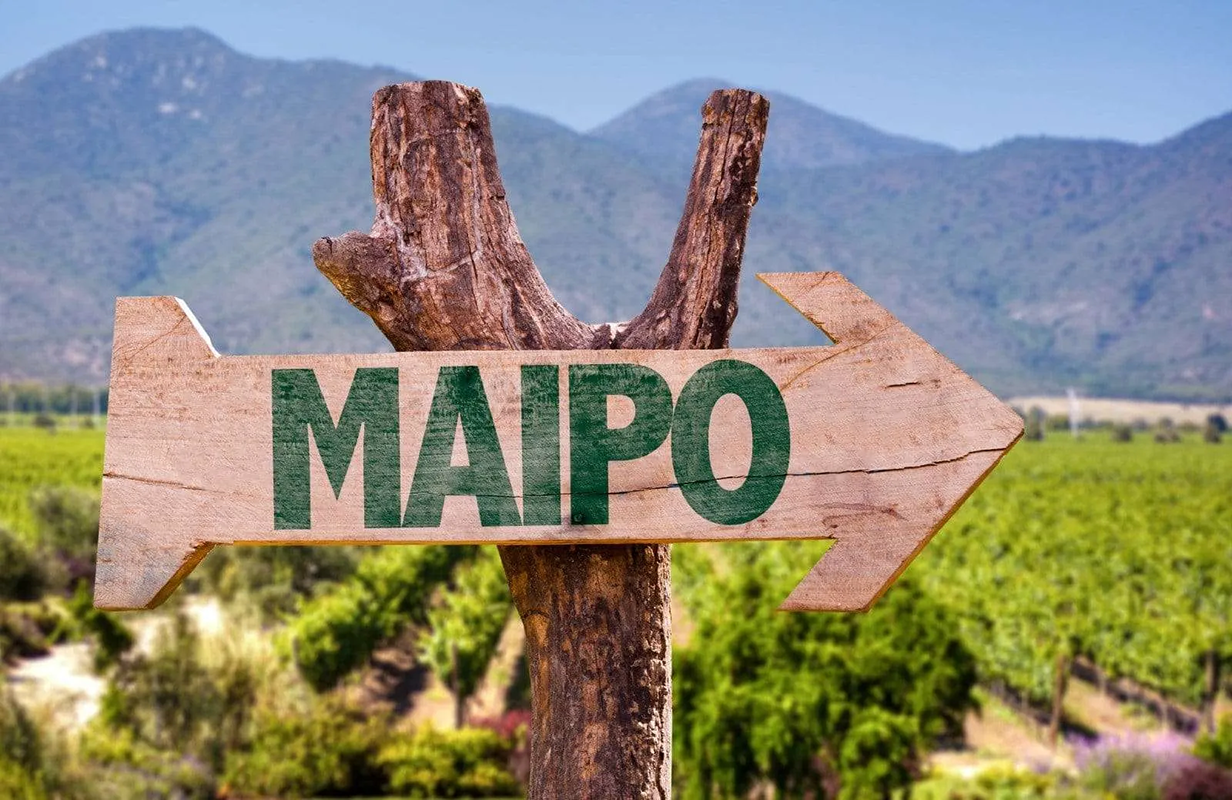
Chile is one of those wine countries that quietly overdelivers—then suddenly becomes a staple on your dinner table and in restaurant lists. From everyday Cabernet to old‑vine País and crisp coastal whites, it’s a brilliantly diverse source of characterful, great‑value wines.
Stretching over 1,000 kilometers along the Loire River, the Loire Valley is one of France’s most dynamic and diverse wine regions. Often called the “Garden of France,” it offers far more than fairytale châteaux and rolling countryside—it’s a treasure trove of distinctive wines shaped by climate, history, and a deep sense of place.