
Exploring the Loire Valley: France’s Most Diverse Wine Region
- Posted on
- By Tim Graham
- Posted in Cabernet Franc, france, French wine, Loire, Loire Valley, Melon de Bourgogne, Muscadet, Sancerre, Sauvignon Blanc
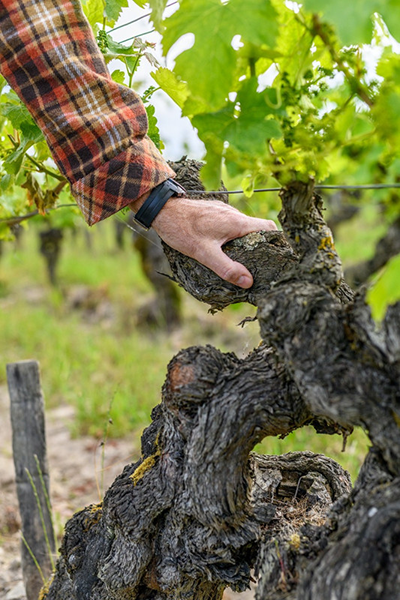
Stretching over 1,000 kilometers along the Loire River, the Loire Valley is one of France’s most dynamic and diverse wine regions. Often called the “Garden of France,” it offers far more than fairytale châteaux and rolling countryside—it’s a treasure trove of distinctive wines shaped by climate, history, and a deep sense of place.
From crisp, refreshing whites to elegant reds and beautifully made sparkling wines, the Loire Valley delivers something for every palate. Whether you’re a casual wine drinker or someone looking to expand your horizons, this region offers an incredible range of styles to explore.
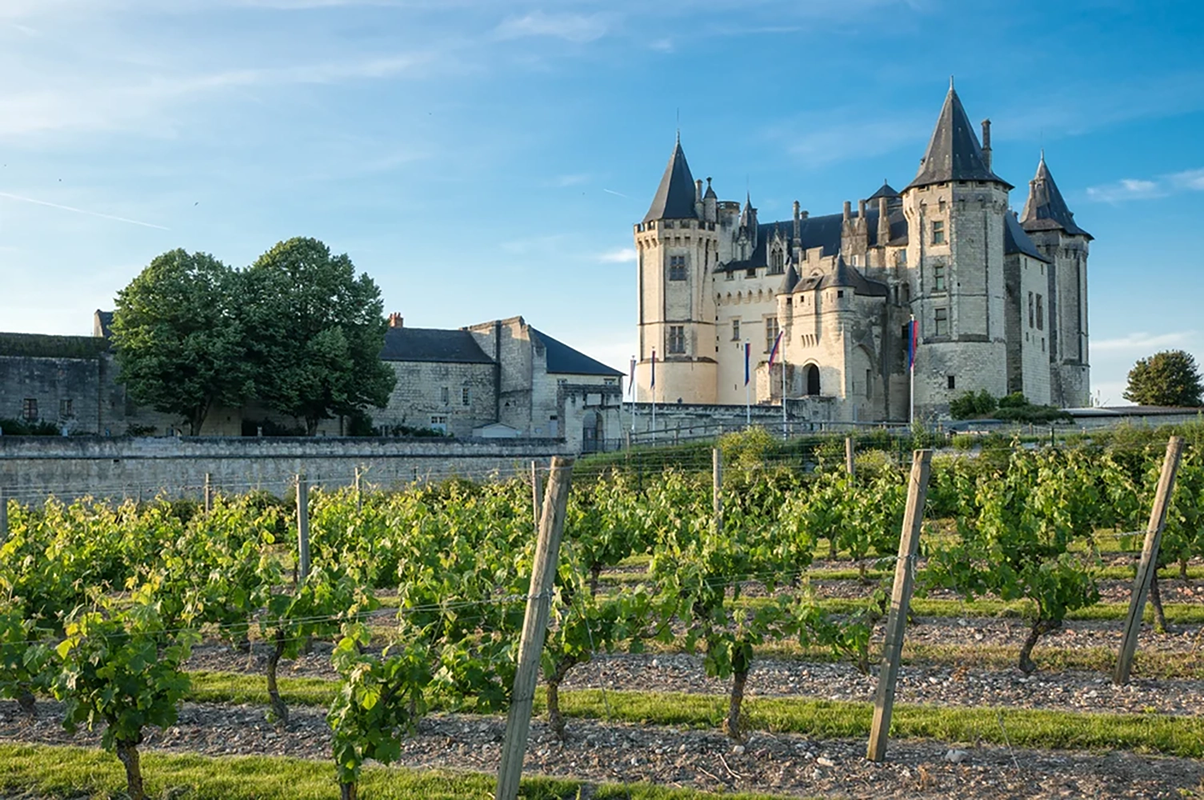
A Brief History of Loire Wine
Winemaking in the Loire Valley dates back to Roman times, but it was during the Middle Ages that the region truly came into its own. Monasteries helped establish vineyards, and by the 12th century, Loire wines were already being exported to England.
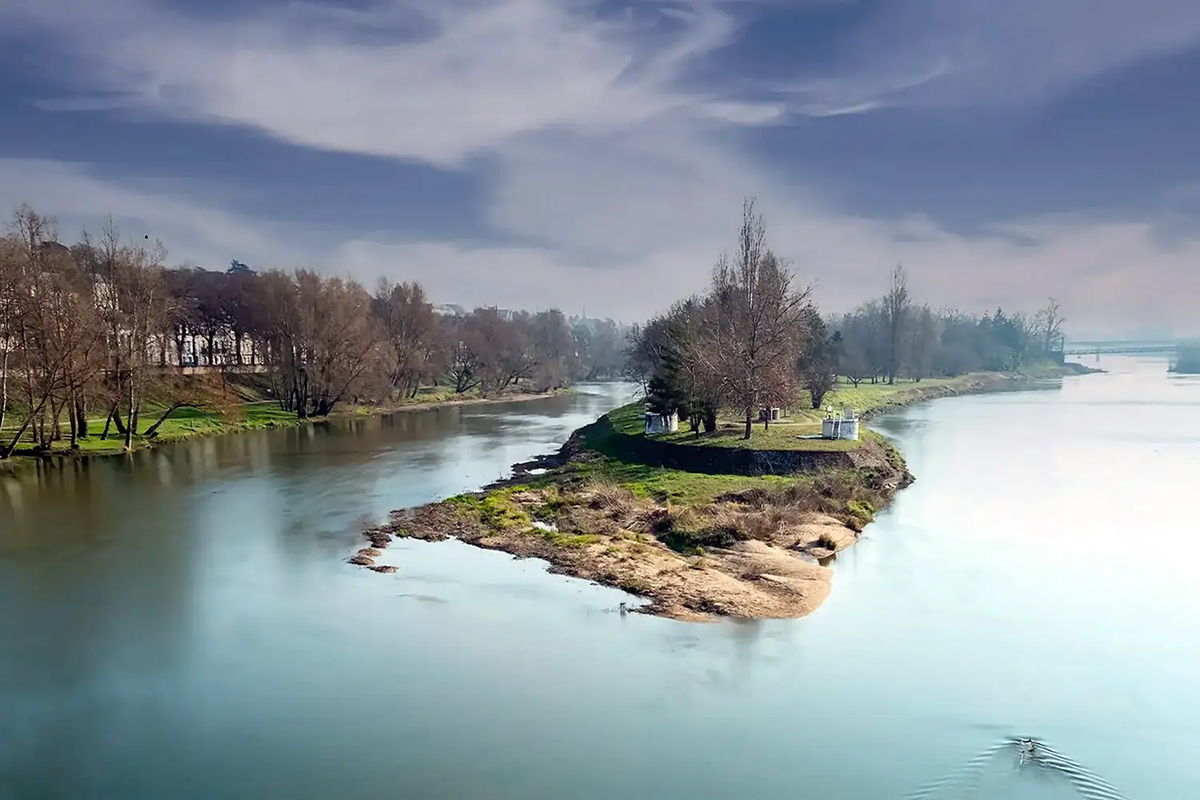
The Loire River itself played a major role in the region’s success, serving as a natural trade route. In the 17th century, Dutch merchants increased demand for lighter, fresher wines, influencing both vineyard expansion and wine styles. They also helped drain marshlands, making more land suitable for viticulture.
Despite challenges over the centuries—including vineyard diseases and shifting market trends—the Loire Valley has remained true to its identity. Today, it’s known not only for its quality but also for its leadership in sustainable, organic, and biodynamic winemaking.
The Loire’s Four Key Wine Areas
The Loire Valley is typically divided into four main areas, each with its own personality, climate, and signature wines.
Pays Nantais
Closest to the Atlantic Ocean, this area is home to Muscadet, a light, refreshing white wine made from the Melon de Bourgogne grape. The ocean’s influence keeps temperatures moderate and gives the wines their signature freshness.
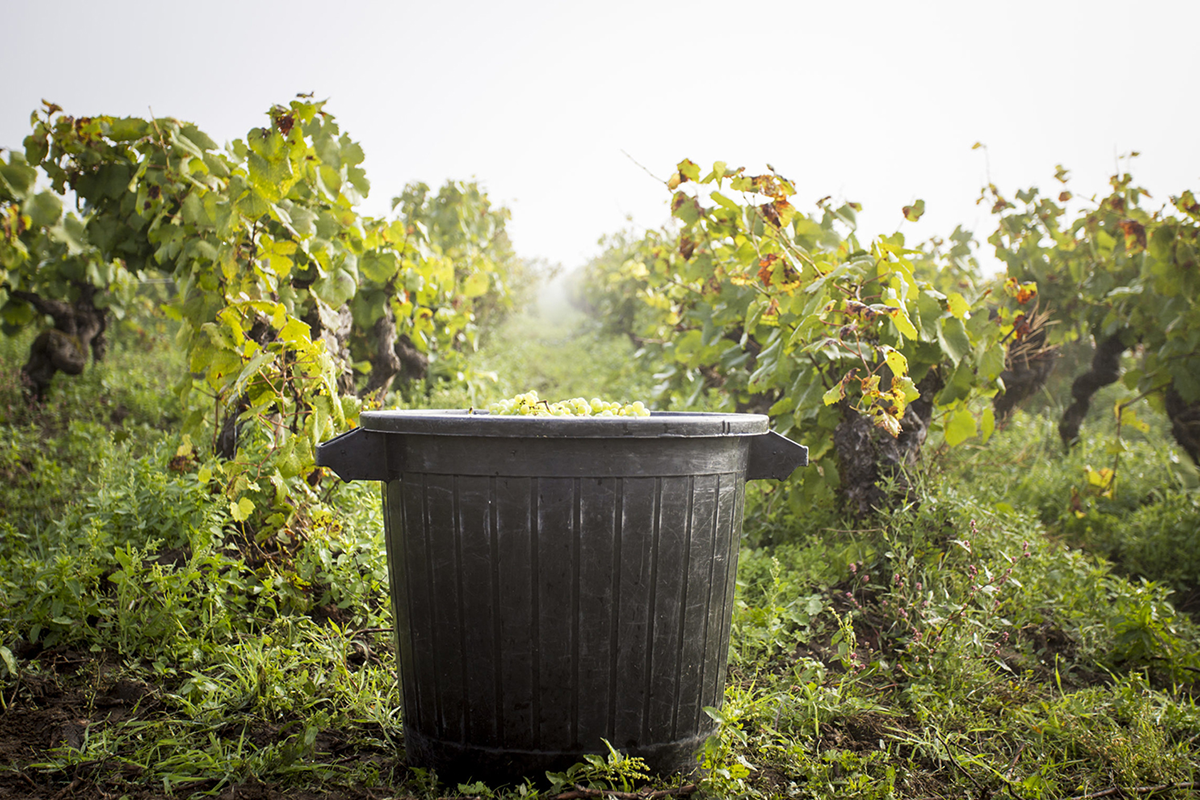
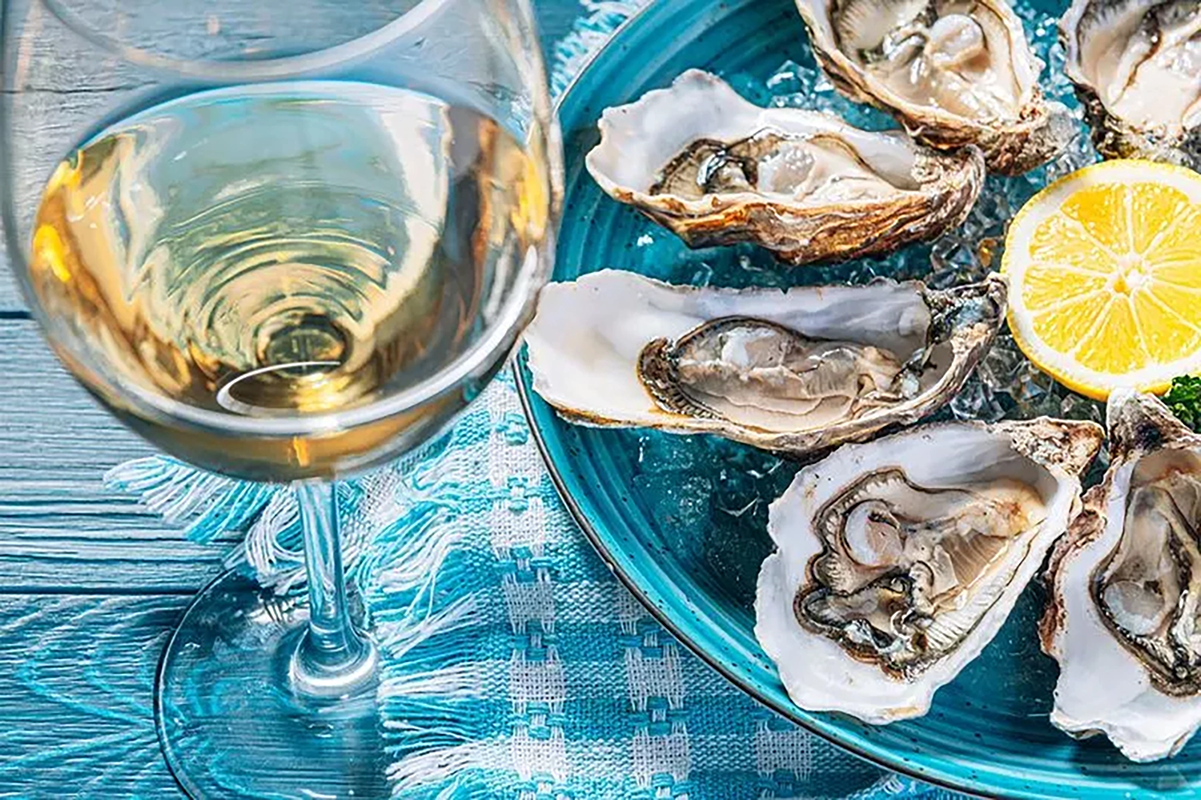
Many Muscadet wines are labeled “sur lie,” meaning they’re aged on their lees (spent yeast cells), which adds a subtle creamy texture while maintaining their crisp character. These wines are famously paired with oysters and other seafood thanks to their clean, slightly salty finish.
Anjou-Saumur
Moving inland, Anjou-Saumur offers an impressive range of styles. This is one of the Loire’s most versatile areas, producing everything from dry whites to rich, sweet wines and high-quality sparkling wines.
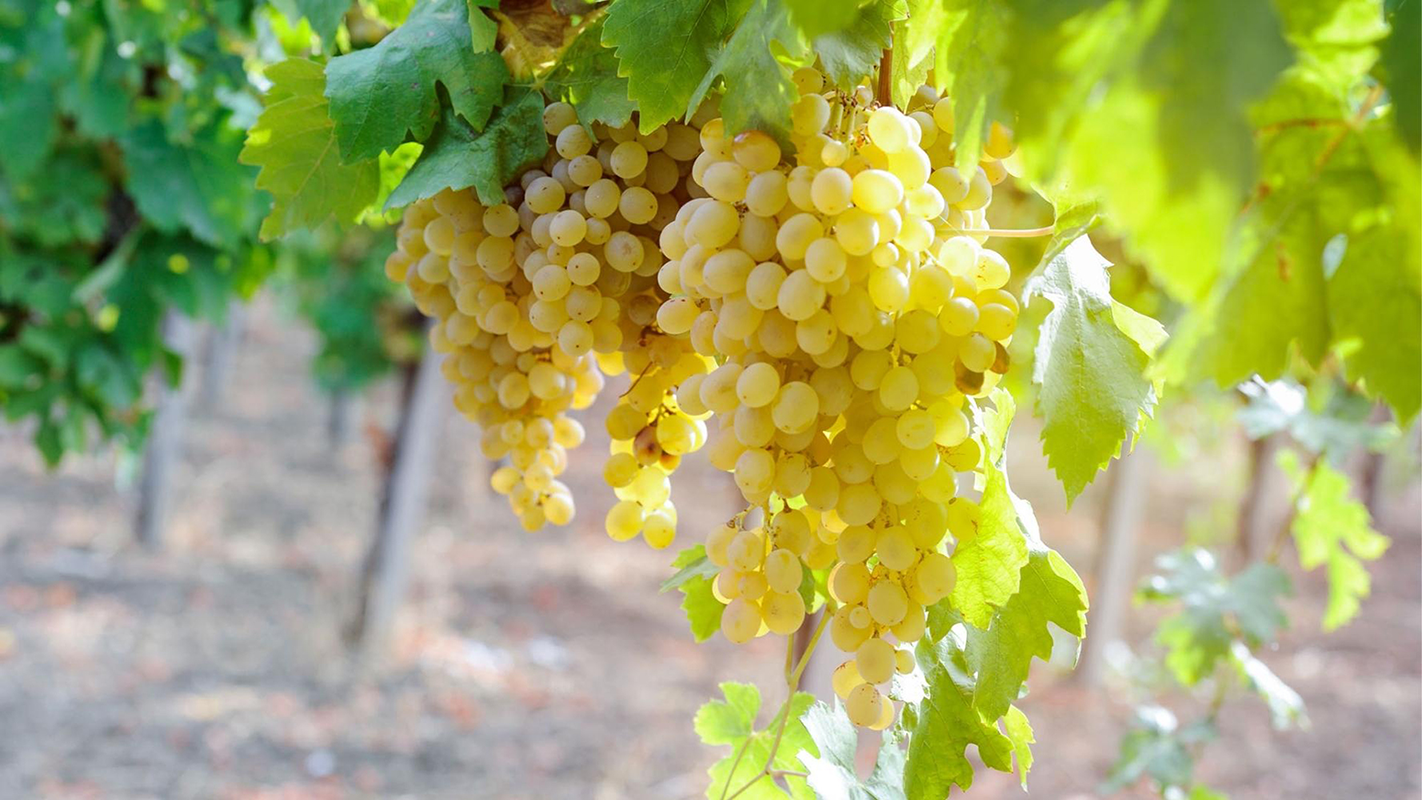
Chenin Blanc is the star grape here, capable of producing wines that range from bone-dry to lusciously sweet. In places like Savennières, it creates structured, age-worthy dry wines, while in areas like Quarts de Chaume, it shines in sweet, honeyed expressions.
Red wines in this region are primarily made from Cabernet Franc, offering medium-bodied styles with red fruit flavors and fresh, herbal notes.
Touraine
Often considered the heart of the Loire Valley, Touraine is known for its diversity and accessibility.
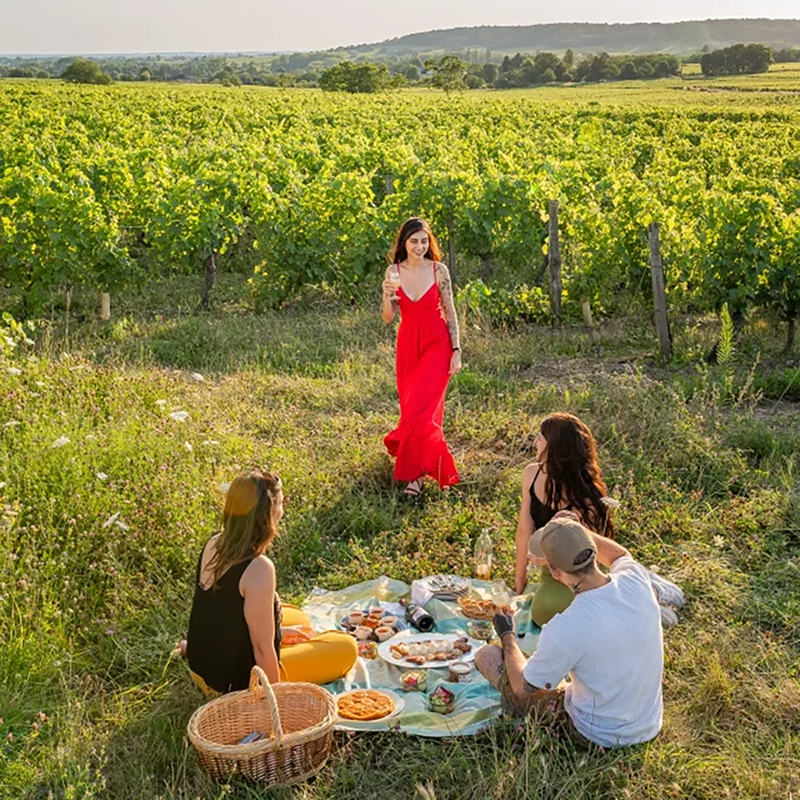
Vouvray, made from Chenin Blanc, is particularly famous for its range of styles—from dry to sweet, as well as sparkling. Just a short distance away, Chinon and Bourgueil specialize in Cabernet Franc, producing reds that are vibrant, earthy, and incredibly food-friendly.
Sauvignon Blanc also plays an important role here, producing fresh, aromatic wines that are easy to enjoy and widely available.
Central Vineyards
Further east, the Central Vineyards are home to some of the world’s most recognizable Sauvignon Blanc wines.
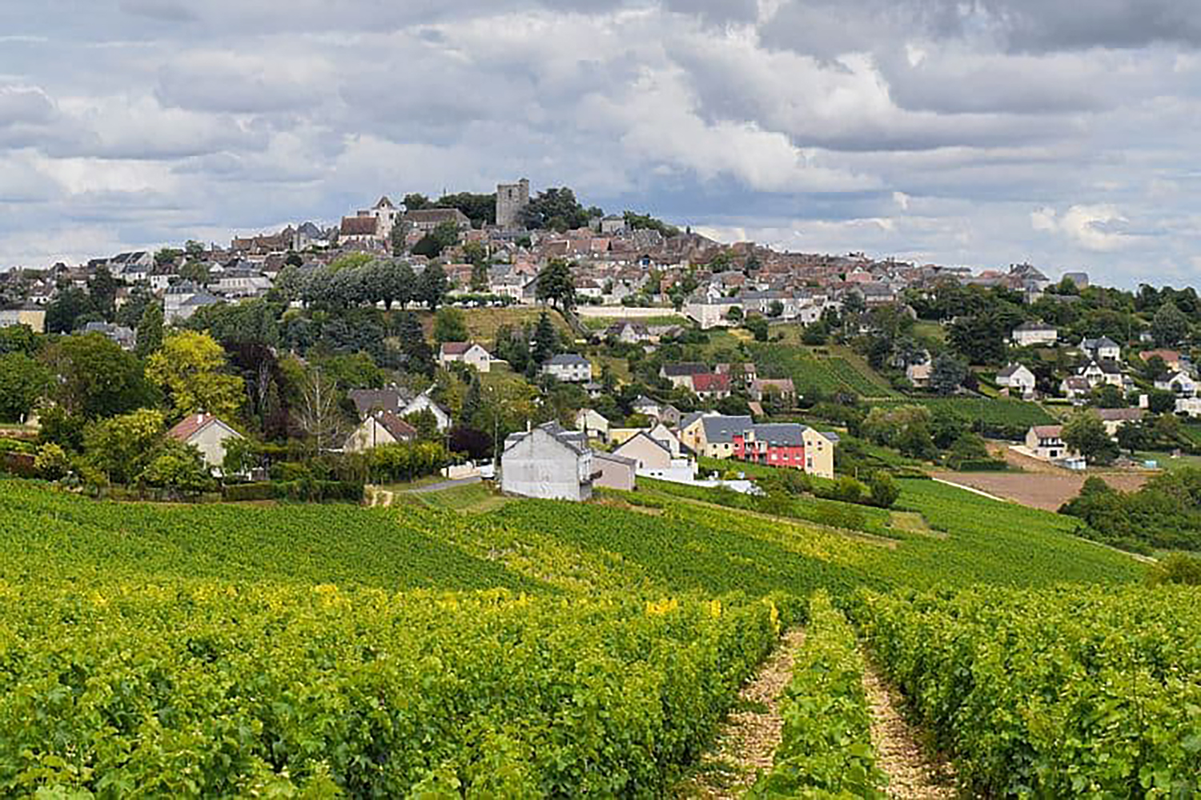
Sancerre and Pouilly-Fumé are the standout names, known for their bright acidity, citrus-driven flavors, and distinctive mineral edge. Depending on the soil—whether flint, limestone, or marl—these wines can show subtle differences in texture and aroma, from smoky to floral.
These are classic examples of crisp, elegant white wines that pair beautifully with everything from goat cheese to grilled fish.
The Grapes Behind the Wines
The Loire Valley’s character is closely tied to a handful of key grape varieties, each offering a unique expression.
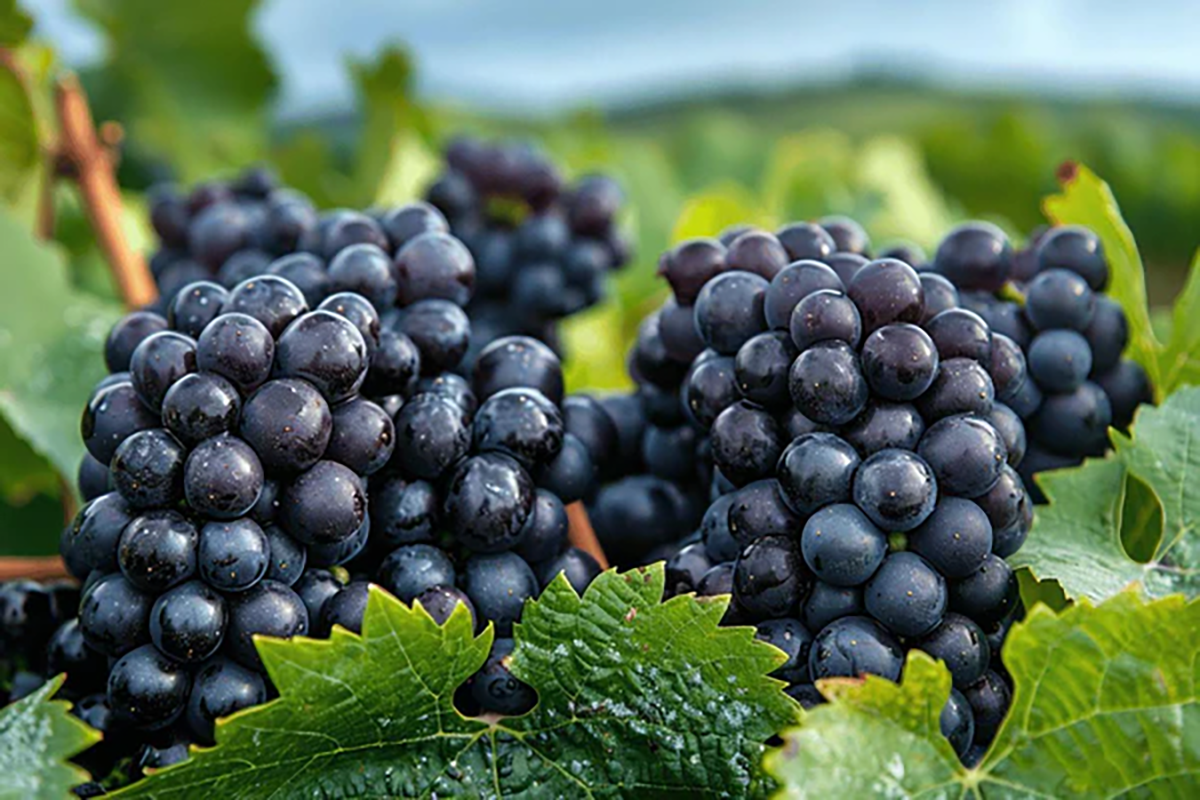
Cabernet Franc: The Loire’s primary red grape, producing wines that are lighter than Cabernet Sauvignon but full of character, with red fruit and subtle earthy notes.
Chenin Blanc: One of the most versatile grapes in the world, used to make dry, off-dry, sweet, and sparkling wines. It’s known for its high acidity and ability to age beautifully.
Sauvignon Blanc: Fresh, aromatic, and zesty, with flavors of citrus, green apple, and herbs.
Melon de Bourgogne: The grape behind Muscadet, known for producing light, crisp wines with a clean finish.
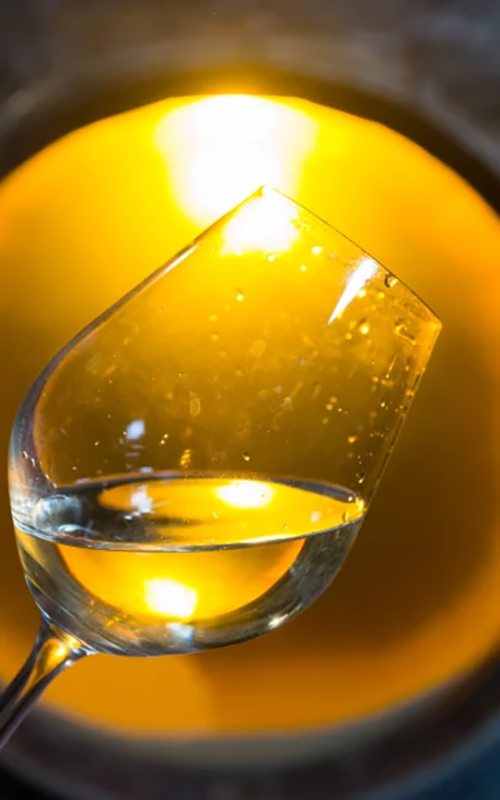
You’ll also find smaller amounts of other grapes like Gamay and Pineau d’Aunis, adding even more variety to the region.
Climate and Terroir
One of the reasons the Loire Valley produces such a wide range of wines is its changing climate. As you move from west to east, the influence shifts from oceanic to more continental conditions.
The western part of the region enjoys milder temperatures and more consistent weather, while the eastern areas experience greater seasonal variation, which can impact ripening and flavor development.
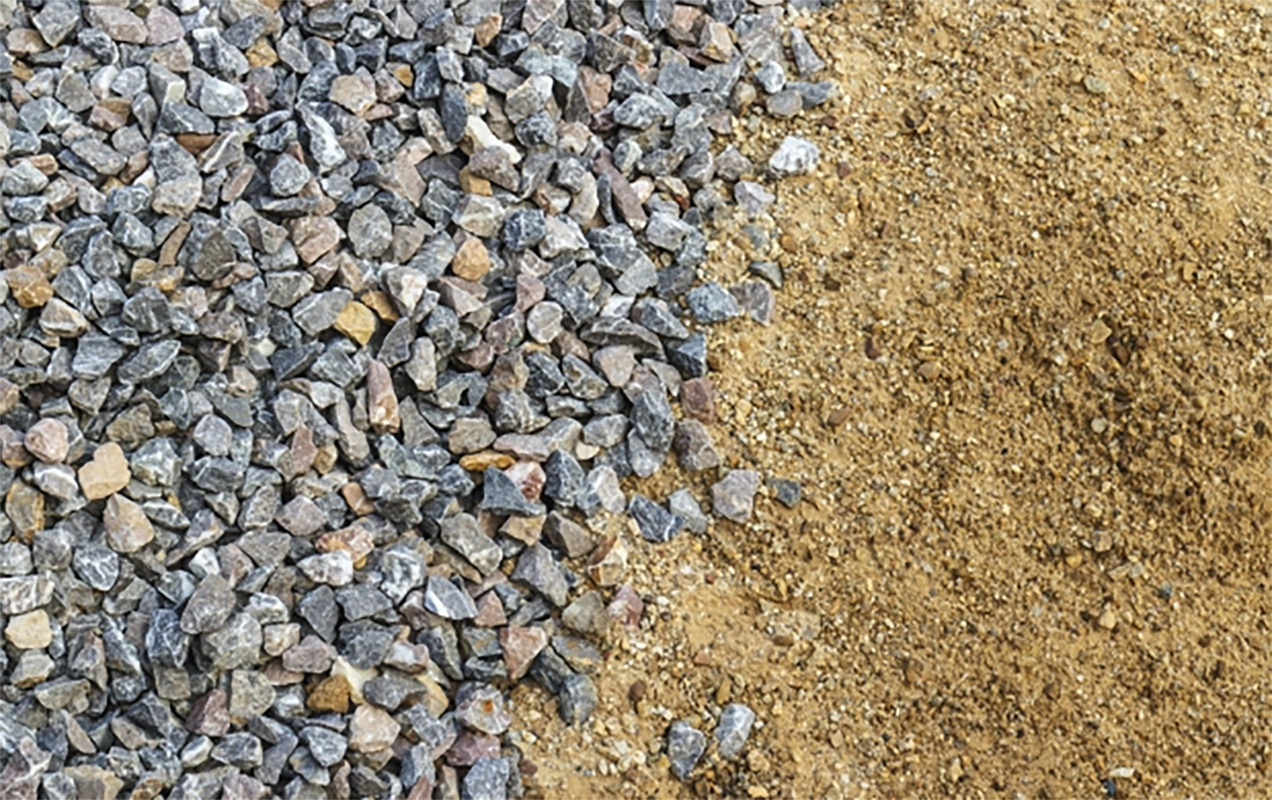
Soil types vary just as much, from granite and schist to limestone and flint. These differences play a huge role in shaping how each wine tastes, contributing to the Loire’s reputation for wines that truly reflect where they come from.
Sparkling Wines of the Loire
While Champagne often steals the spotlight, the Loire Valley is actually one of France’s leading producers of sparkling wine.
Crémant de Loire, made using the same traditional method as Champagne, offers excellent quality at a more approachable price. These wines are typically fresh and lively, with flavors of apple, citrus, and a touch of brioche.
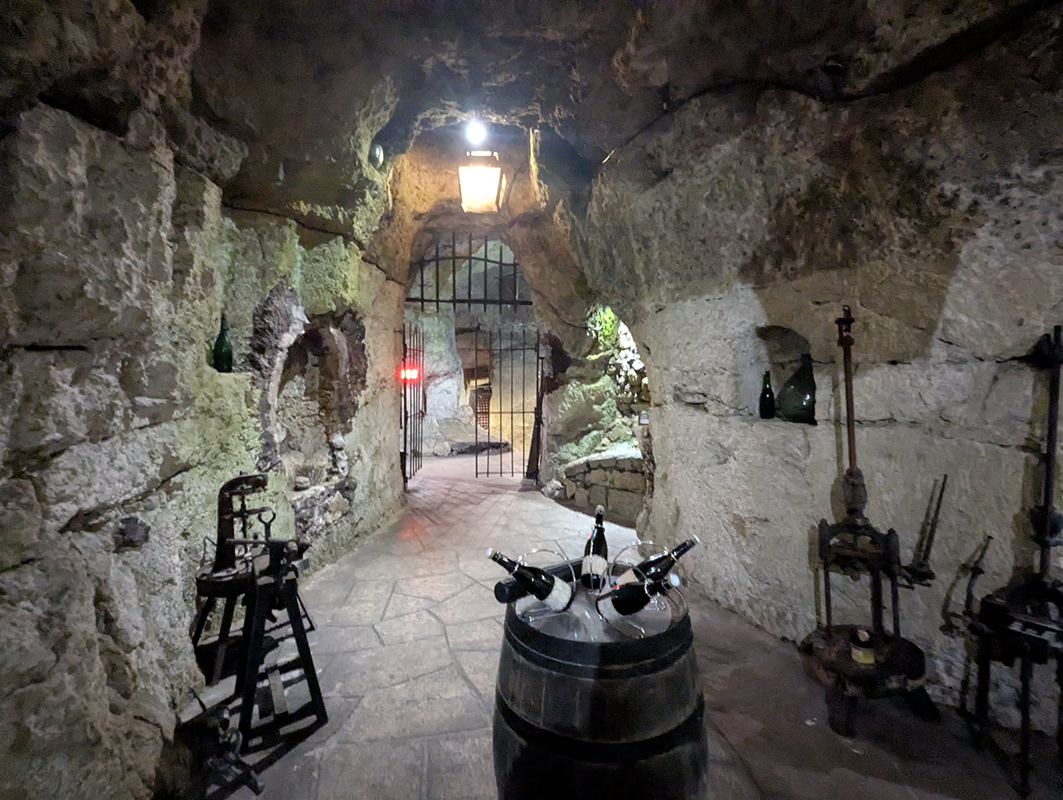
Other sparkling styles, such as Saumur Brut and Vouvray Mousseux, highlight the natural acidity of Chenin Blanc, making them both refreshing and age-worthy.
Why the Loire Valley Stands Out
What makes the Loire Valley so special is its diversity. Few wine regions in the world offer such a wide range of styles within a single river system.
Whether you’re enjoying a chilled glass of Muscadet by the water, a vibrant Sancerre with dinner, or a rich, aged Chenin Blanc on a special occasion, the Loire has something to offer.
It’s also a region that continues to evolve, with many producers embracing sustainable practices and minimal-intervention winemaking. The result is wines that feel authentic, expressive, and closely tied to their origins.
Final Thoughts
The Loire Valley is not defined by one grape, one style, or one tradition—it’s a patchwork of influences that come together to create something truly unique.
For wine lovers, it offers endless opportunities to discover new favorites. Each bottle tells a story of place, climate, and craftsmanship, making the Loire Valley one of the most rewarding regions to explore.