
Bordeaux Uncorked: A Complete Guide to France’s Most Iconic Wine Region
- Posted on
- By Tim Graham
- Posted in bordeaux, france, Graves, Haut-Médoc, Left Bank, Margaux, Médoc, Pauillac, Pomerol, Right Bank, Saint-Émilion, Saint-Èstephe, Saint-Julien
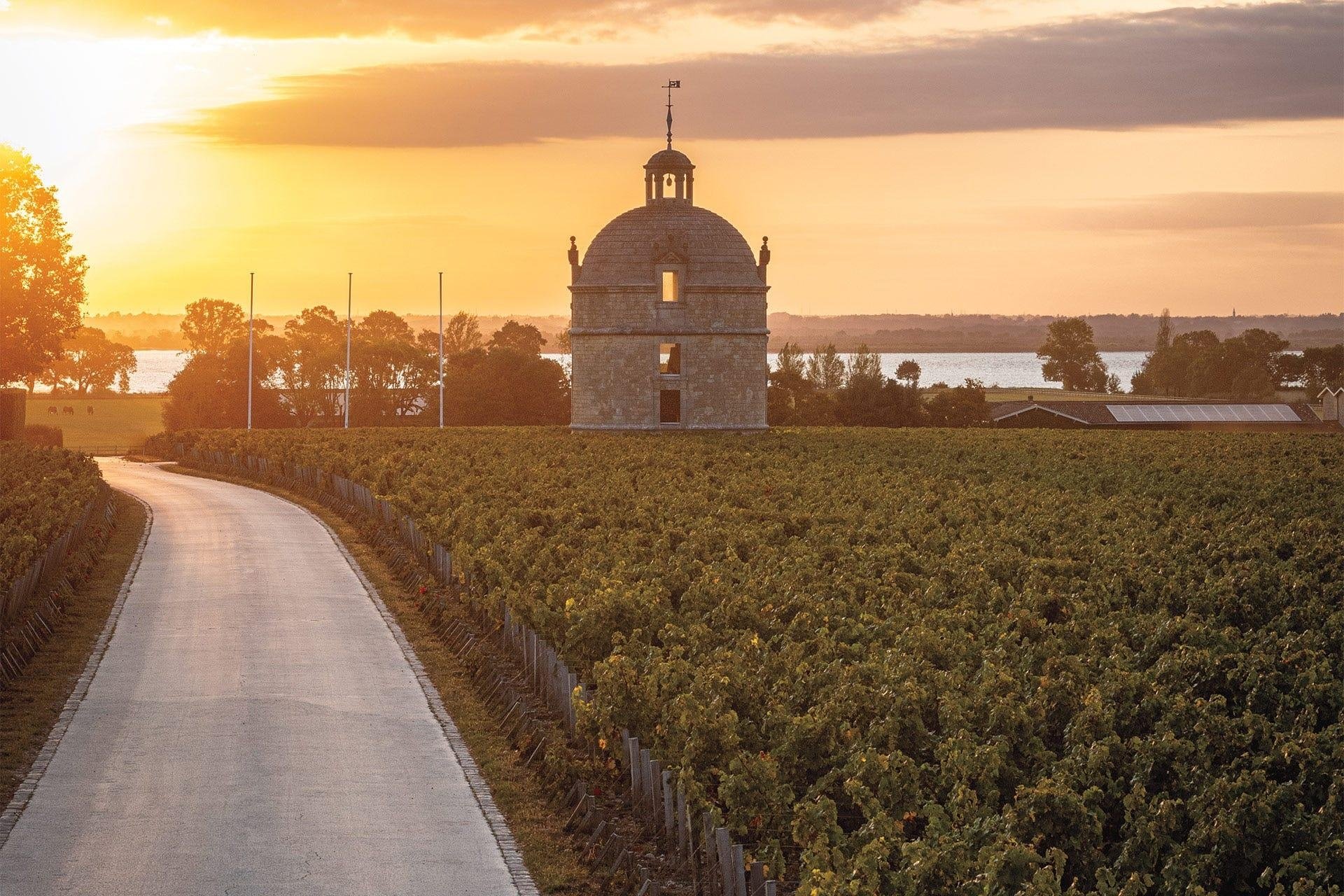
Discover the Bordeaux wine region with this in-depth travel and tasting guide. Learn Left Bank vs Right Bank, classification systems, terroir, and top places to visit.
Introduction: Why Bordeaux Still Defines Fine Wine


Few wine regions command the global reverence of Bordeaux. Located in southwestern France and shaped by the Gironde Estuary and its tributaries, Bordeaux is the blueprint for blended wines, terroir-driven expression, and classification systems that still influence wine markets today.
With more than 60 appellations and a vast diversity of styles, Bordeaux can feel complex at first glance. Yet its structure is logical. Rivers define geography. Soil defines style. And tradition defines identity.
This guide breaks Bordeaux down into its essential components, making it accessible for both travelers and curious drinkers.
Left Bank vs Right Bank: Two Philosophies of Bordeaux


The defining framework of Bordeaux is geographic. The Gironde Estuary splits the region into the Left Bank and the Right Bank, with the Garonne River and Dordogne River feeding into it.
Left Bank
The Left Bank includes the Medoc and Graves. This is Cabernet Sauvignon territory. Gravelly soils dominate, allowing excellent drainage and heat retention, which helps Cabernet ripen fully.
Wines here are structured, tannic, and built for aging. Expect blackcurrant, cedar, graphite, and firm acidity.
Key appellations include:
-
Pauillac
-
Margaux
-
Saint-Julien
-
Saint-Èstephe
- Graves
These are home to many of Bordeaux’s most famous estates and long-lived wines.
Right Bank
Across the Dordogne lies the Right Bank, anchored by Saint-Emilion and Pomerol. Here, clay and limestone soils retain water and suit Merlot perfectly.
The wines are softer, rounder, and more approachable in youth, with flavors of plum, cherry, and chocolate.
This is Bordeaux at its most seductive and immediately enjoyable.
A Matter of Preference
The Left Bank favors power and longevity. The Right Bank emphasizes texture and accessibility. Neither is superior. The distinction reflects terroir, not hierarchy.
Beyond the Banks: Bordeaux’s Key Sub-Regions


While the Left and Right Banks dominate discussion, Bordeaux’s complexity extends further.
Entre-Deux-Mers
Located between the Garonne River and Dordogne River, this region is best known for fresh, citrus-driven white wines.
Graves and Pessac-Léognan
Pessac-Leognan sits within Graves and is unique for producing both red and white wines of high quality. Expect structured reds and aromatic whites built on Sauvignon Blanc and Semillon.
Sauternes and Barsac
Sauternes and Barsac produce some of the world’s finest sweet wines using botrytized grapes. Rich, honeyed, and intensely complex.
Bourg and Blaye
Blaye and Bourg are often overlooked but offer Merlot-driven wines at more accessible prices while still reflecting Bordeaux’s character.
Understanding Bordeaux’s Classification System


Bordeaux is not labeled by grape variety. Instead, it is organized by place and hierarchy.
Regional Appellations
Labels such as “Bordeaux” or “Bordeaux Supérieur” represent the broadest category. These wines can come from anywhere in the region and typically offer strong value. They are often the best entry point for understanding the region’s overall style without committing to a specific village or château.
Appellation (AOC) Level
Appellation d'Origine Controlee defines wines from specific geographic areas with strict rules on production. Examples include Médoc, Saint-Émilion, and Graves.
At this level, terroir becomes more precise, and quality generally increases. These wines tend to reflect the defining characteristics of their specific area more clearly.
Classified Growths and Estate Rankings
Bordeaux also uses estate-based classifications, the most famous being the 1855 Bordeaux Classification created for Napoleon III. The wines here are ranked from First Growth through Fifth Growth. The First Growths of Bordeaux refer to the top tier of estates. These are known in French as Premiers Crus Classés and represent the highest-ranked wines from the Médoc (Left Bank), with one exception from Graves.
1. Chateau Lafite Rothschild (Pauillac)
Often considered the most elegant of the group. Known for finesse, perfume, and extraordinary aging potential.
2. Chateau Latour (Pauillac)
The most powerful and structured. Built for long-term aging, often requiring decades to fully open.
3. Chateau Margaux (Margaux)
The most aromatic and refined. Known for floral character and silky texture.
4. Chateau Haut-Brion (Graves)
The only First Growth outside the Médoc. Combines structure with a distinctive smoky, earthy complexity.
5. Chateau Mouton Rothschild (Pauillac)
Originally classified as a Second Growth, it was elevated to First Growth status in 1973, the only official change ever made to the 1855 Classification.
Why They Matter
The First Growths are not just historically important. They set the global benchmark for what fine wine can be. Their consistency, longevity, and identity have shaped how collectors, critics, and producers evaluate wine quality worldwide.
Other systems include:
-
Saint-Émilion classification
-
Graves classification
-
Crus Bourgeois
These rankings highlight top producers rather than entire regions. Notably, excellent wines exist outside these classifications, making exploration worthwhile.
Terroir: The Foundation of Bordeaux


Terroir is not an abstract concept in Bordeaux. It is measurable and visible.
Soil
-
Left Bank: gravel, sand, and stones that retain heat and drain water efficiently, perfect for Cabernet Sauvignon
-
Right Bank: clay and limestone that hold moisture and favor Merlot and Cabernet Franc
Climate
Bordeaux has a maritime climate influenced by the Atlantic Ocean. Moderate temperatures and consistent rainfall create stable growing conditions for.
Water
The Gironde Estuary and its tributaries regulate temperature and reduce frost risk, allowing grapes to ripen evenly.
Result
The combination of soil, climate, and water produces wines with balance, structure, and a clear sense of place. Bordeaux is one of the clearest examples of terroir translating directly into flavor.
What Bordeaux Wines Taste Like
Bordeaux reds are typically blends of Cabernet Sauvignon, Merlot, and Cabernet Franc
-
Left Bank wines show structure, tannin, and aging potential
-
Right Bank wines emphasize fruit, texture, and approachability
- Common flavor markers include blackcurrant, plum, cedar, tobacco, graphite, and earth.
White Bordeaux ranges from crisp Sauvignon Blanc-driven wines to rich, honeyed wines from Sauternes.
Top Places to Visit in Bordeaux


La Cite du Vin
A modern, immersive wine museum in the city of Bordeaux. It offers global wine exhibits, tastings, and panoramic views. Essential for context before visiting vineyards.
Saint-Èmilion
A UNESCO-listed medieval village surrounded by vineyards. Walkable, intimate, and one of the most beautiful wine towns in France.
Médoc
Home to iconic estates and long vineyard stretches. Ideal for structured tastings and château visits.
Pauillac
A focal point of the Left Bank, known for powerful wines and some of the most prestigious estates in Bordeaux.
Margaux
Combines elegance in both architecture and wine. The wines here are often the most perfumed and refined on the Left Bank.
4 Practical Tips for Buying and Tasting Bordeaux
1. Focus on Appellation First
Start with the region on the label. Médoc, Saint-Émilion, or Graves will tell you more than the grape variety.
2. Match Style to Occasion
Choose Left Bank for aging or structured meals. Choose Right Bank for earlier drinking and softer pairings.
3. Look Beyond Famous Names
Lesser-known areas like Blaye or Entre-Deux-Mers often deliver excellent value.
4. Understand Vintage Variation
Bordeaux is sensitive to weather. Learning strong vintages can dramatically improve buying decisions.
Conclusion: Bordeaux as a Lifelong Study
Bordeaux rewards both immediate enjoyment and long-term exploration. Its structure, geography, and history create a framework that is complex but logical.
For travelers, it offers a rare combination of world-class wine, historic towns, and immersive experiences. For drinkers, it provides nearly endless variation within a recognizable identity.
Understanding Bordeaux begins with the river, continues through the soil, and ultimately ends in the glass.