
A Toast to 250 Years: The Rich and Remarkable History of Wine in America
- Posted on
- By Tim Graham
- Posted in America, History, United States, Winemaking

From Norse Vinland to all 50 states, America's wine story predates the nation itself — spanning Huguenot Scuppernong, Jefferson's failed vines, Mission grapes, and Prohibition — over 250 years of resilience in every glass.
As America marks its 250th year of independence, it is worth remembering that the story of wine on this continent began long before the first shot was fired at Lexington, long before the ink dried on the Declaration, and long before the word "American" carried the weight it does today. The vine was here first. From wild grapes tangled through ancient forests to the meticulously farmed AVAs of the modern era, wine is woven into the fabric of American history in ways most of us rarely pause to consider. On this Fourth of July, let us raise a glass to all of it and rejoice!
The First Vines: Norse Explorers and Native Grapes
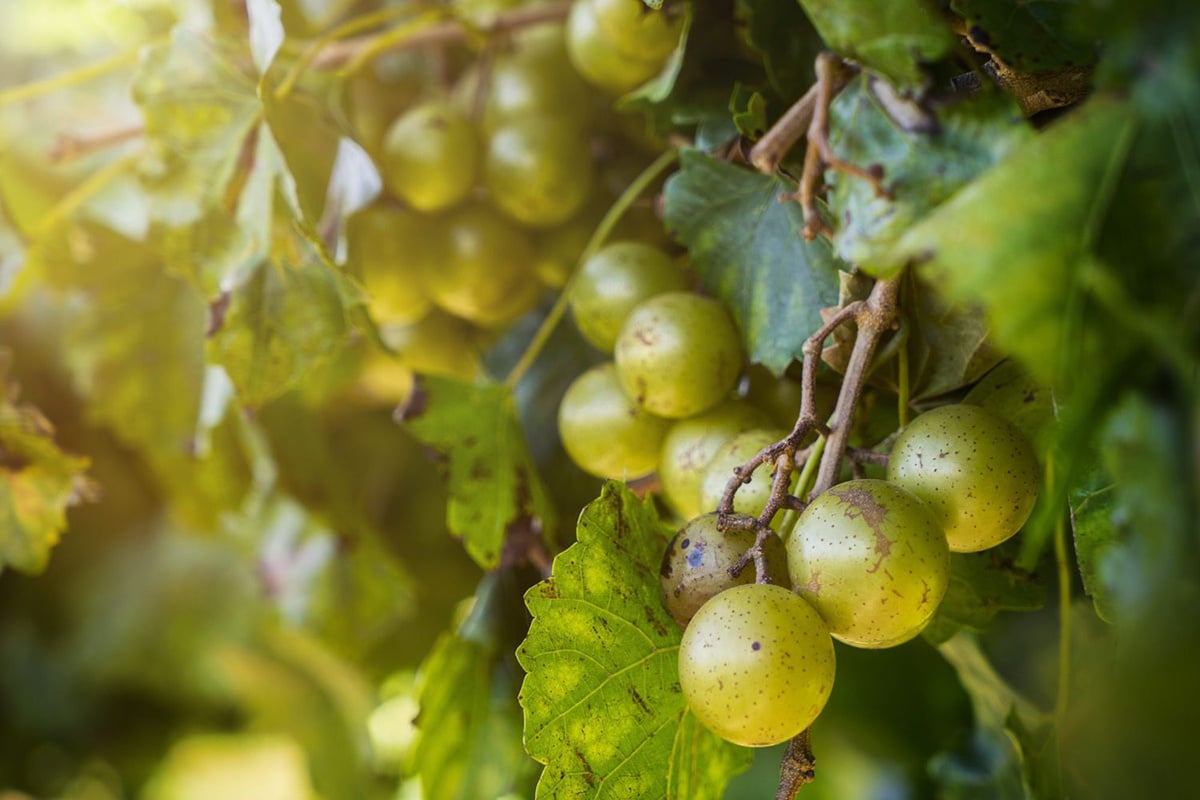
Around 1000 AD, Norse explorer Leif Erikson and his crew made landfall on the northeastern shores of North America and found wild grapes growing in extraordinary abundance. The sight was remarkable enough to inspire a name: Vinland — the Land of Wine. The grapes were almost certainly Vitis labrusca, native American species entirely distinct from the Vitis vinifera of European winemaking. Whether the Norse pressed wine from them remains debated, but the discovery itself matters: long before any colonist arrived with ambitions of empire, the vine already belonged to this continent. Native grapes covered North America from coast to coast, awaiting the moment someone would recognize their potential.
Florida's First Winemakers: The French Huguenots and Scuppernong
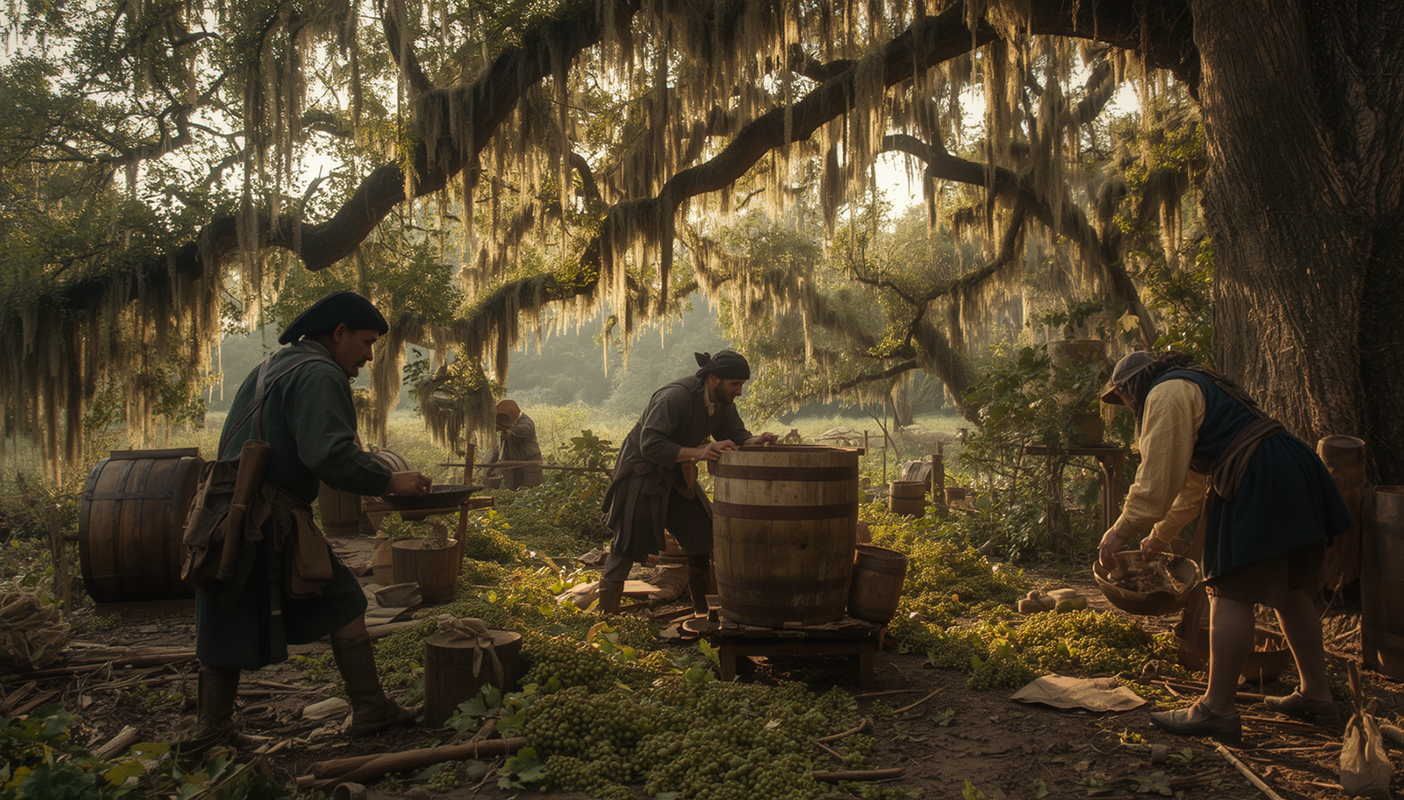
The story of American winemaking, properly told, begins in Florida. In 1562, French Huguenot explorer Jean Ribaut landed near present-day Jacksonville and found wild Muscadine grapes growing in extraordinary abundance along the riverbanks. Two years later, René de Laudonnière established Fort Caroline nearby, and settlers reportedly made wine from the Scuppernong, a thick-skinned, bronze-green Muscadine variety uniquely suited to the heat and humidity of the Southeast. Many historians regard this as the first recorded winemaking on American soil, a distinction that belongs not to California or Virginia, but to Florida. The Scuppernong (Vitis rotundifolia) remains a point of pride in Florida wine history, and a living link to those earliest experiments, still cultivated in the state today.
Virginia's First Wine Law: The House of Burgesses, 1619
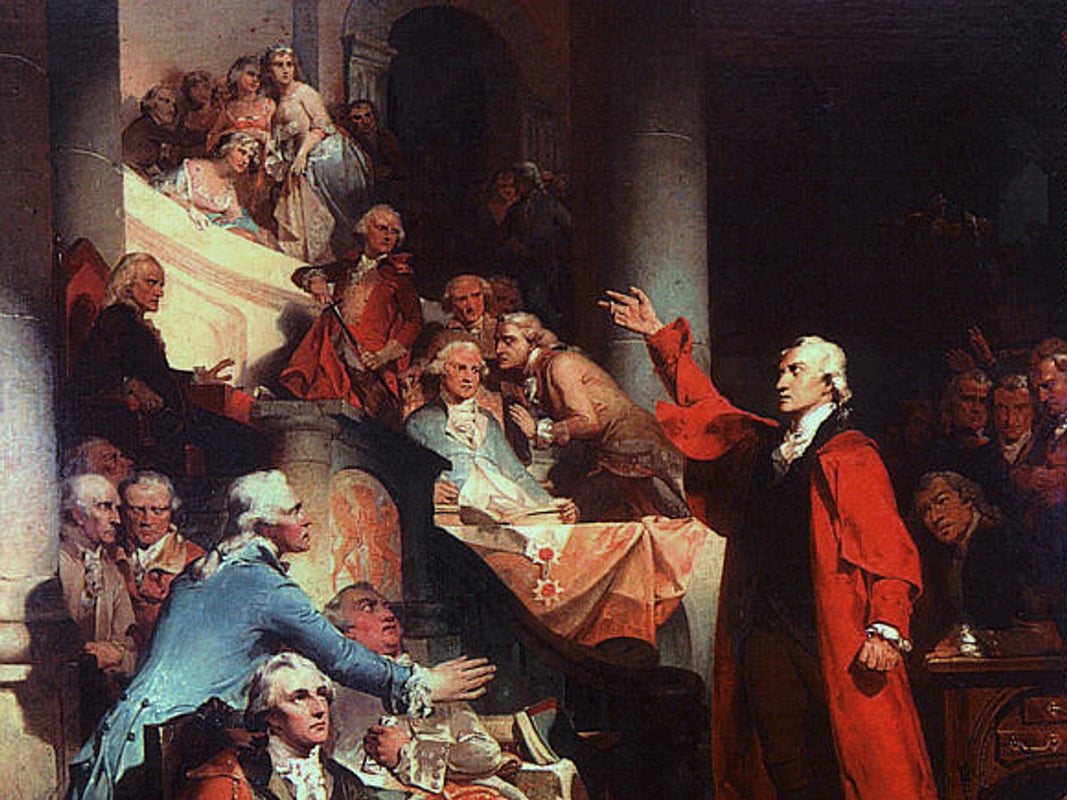
More than a century and a half before the United States existed as a nation, its earliest legislative body was already trying to build a wine industry. In 1619, the Virginia House of Burgesses passed Act 12, requiring every male householder in the colony to plant and tend at least ten grapevines, with the explicit aim of establishing domestic wine production. It was a bold recognition that this new land had the potential to become a wine-producing nation. The realities of colonial survival ultimately frustrated the initiative. Yet Act 12 endures as a landmark: the first wine legislation in what would become the United States.
Thomas Jefferson: America's First Wine Visionary

No figure in American history carried a deeper passion for wine than Thomas Jefferson. During his years in Paris as U.S. Minister to France, he immersed himself in Burgundy, Bordeaux, and Sauternes, returning to Virginia with both an extraordinary cellar and an unshakable conviction that America could rival Europe's finest. He planted Vitis vinifera cuttings at Monticello, experimenting with French and Italian varietals on the red clay hillsides of Albemarle County. The results were heartbreaking. Phylloxera, fungal disease, and the Virginia climate destroyed his vines season after season, and Jefferson never produced a single successful vintage. Yet his dream outlasted his failures. He declared that America would one day be a great wine nation, a prophecy more durable than any rootstock, and one that proved entirely correct.
California Dreams: Father Junípero Serra and the Mission Grape
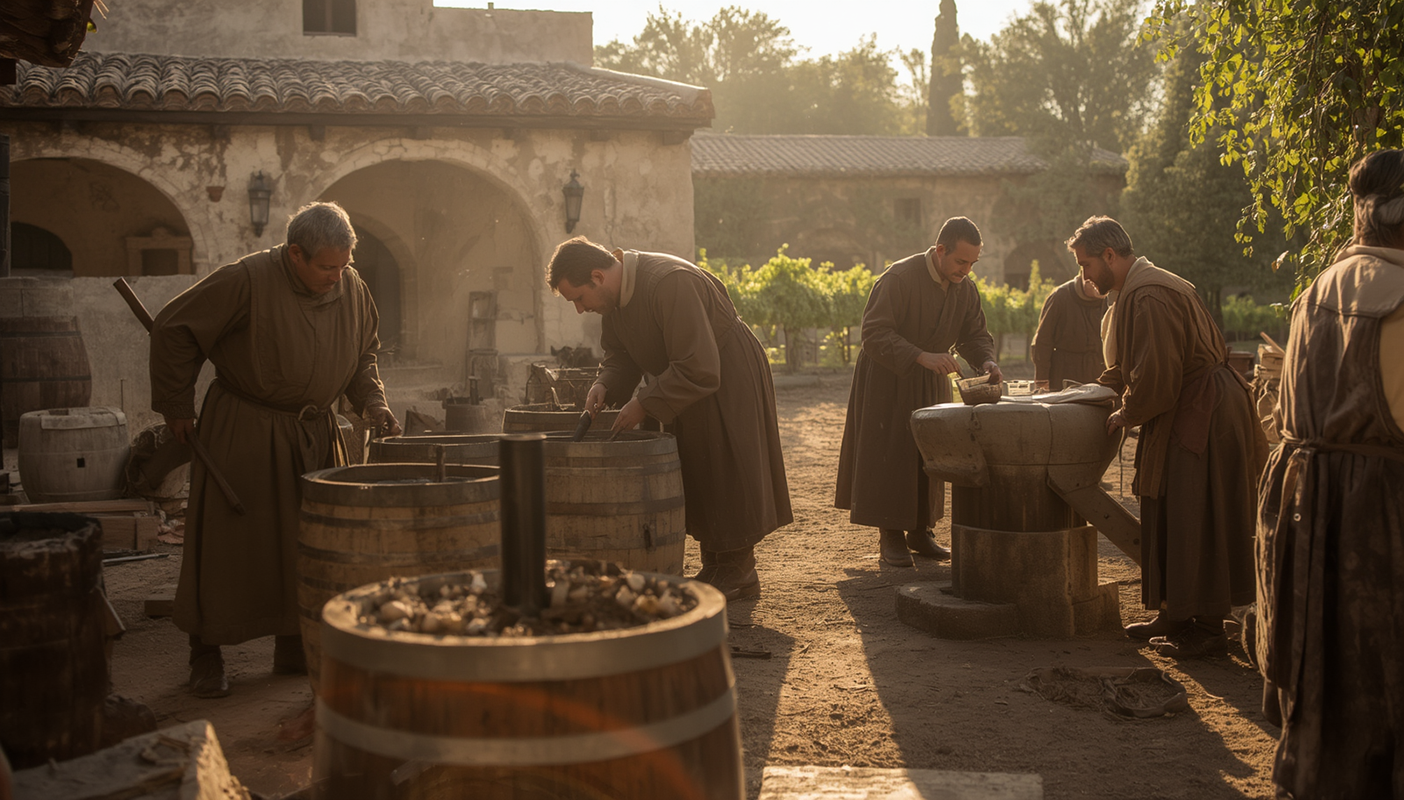
While Jefferson planted vines in Virginia, another chapter of wine history was being written on the opposite coast. In 1769, Father Junípero Serra led the Sacred Expedition from Baja California to San Diego, carrying vine cuttings that would transform the American West. The grape he introduced — known as the Mission grape, most likely a Criolla cultivar of Spanish or South American origin — was hardy, productive, and well suited to the California climate. As missions advanced northward along El Camino Real, each new settlement brought new plantings. By the early nineteenth century, California's 21 missions were producing wine in meaningful quantities for sacramental and everyday use. The industry born in those sun-bleached adobe courtyards would, within two centuries, become the world's fourth-largest wine-producing region.
The Dark Years: Prohibition and Its Lasting Damage
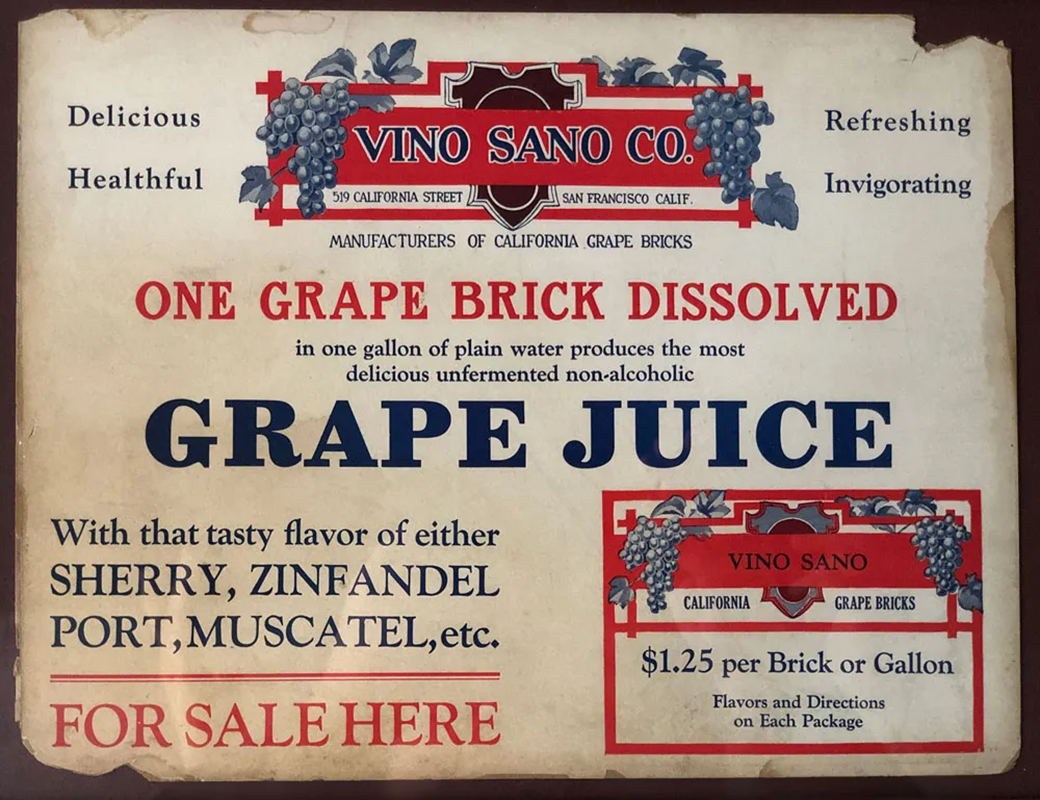
On January 17, 1920, the Eighteenth Amendment took effect, and the American wine industry was nearly destroyed. The Volstead Act prohibited any beverage exceeding 0.5% ABV, and the consequences were catastrophic. Hundreds of wineries shuttered, and vineyards were ripped out and replanted with thick-skinned table grapes hardy enough to survive cross-country rail shipment. The institutional knowledge built over generations — winemakers, cellarmasters, and viticulturists — was scattered and largely lost. Some operations survived by producing sacramental wine for churches or medicinal wine with a physician's prescription. A notable loophole also allowed households to produce up to 200 gallons annually for personal consumption, keeping certain vines quietly alive. When Repeal came in 1933, the damage was enormous, and it would take decades to rebuild what Prohibition had taken.
The Modern Renaissance: Wine in All 50 States
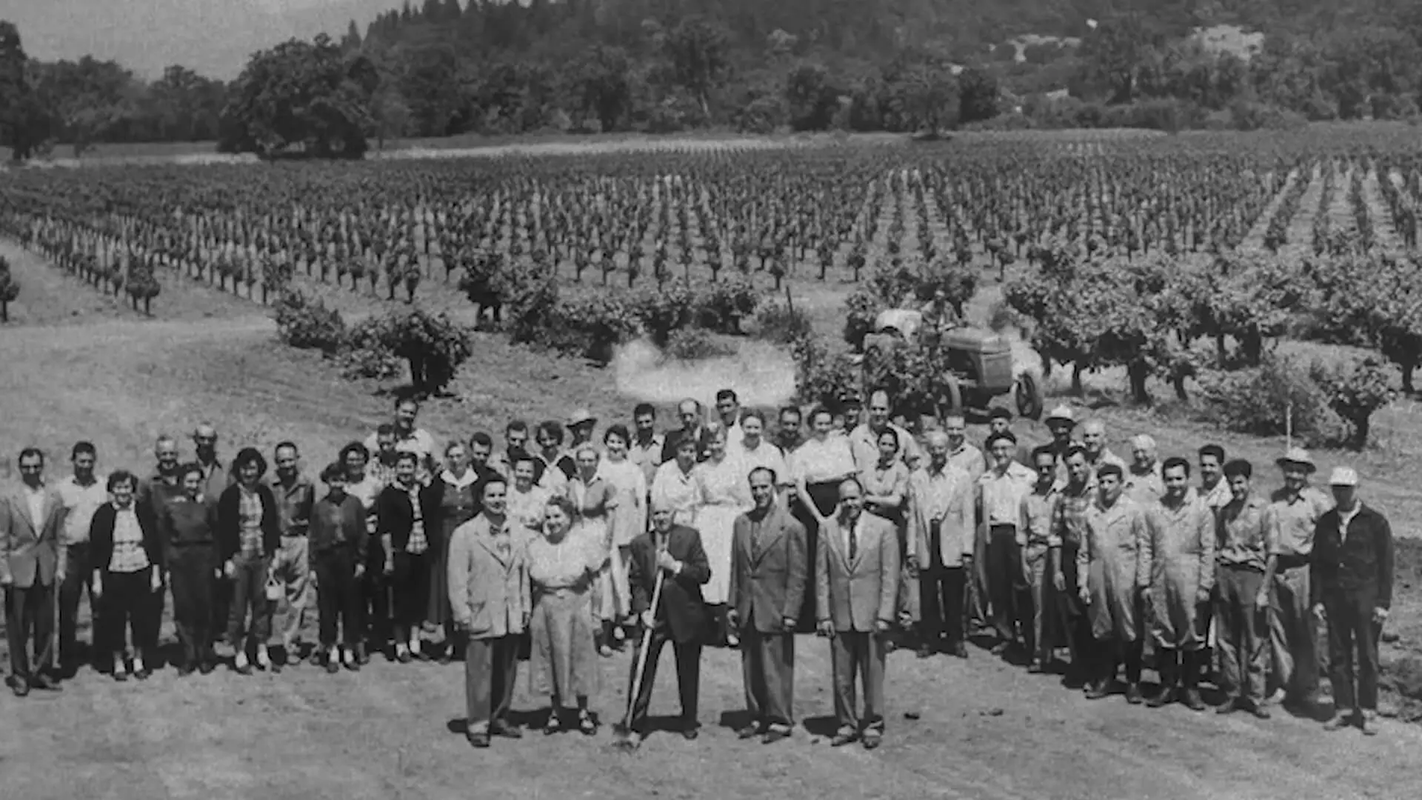
The rebuilding began slowly, then all at once. By the 1970s, a new generation in Napa Valley was farming with ambition, and on May 24, 1976, the world took notice. At a blind tasting in Paris — the legendary Judgment of Paris — California wines defeated the finest Bordeaux and Burgundies before a panel of French judges, announcing definitively that American wine had arrived. The decades that followed brought an explosion of terroir exploration and investment. Today, wine is produced in all 50 states, and the U.S. boasts over 250 federally designated American Viticultural Areas — from the volcanic soils of Oregon's Willamette Valley to the limestone bedrock of the Texas Hill Country, from the cool-climate Finger Lakes of New York to the desert vineyards of Arizona. The American wine industry generates over $276 billion in economic impact annually.
This Fourth of July: Raise a Glass

On this 250th Fourth of July, we raise a glass (preferably something American, but you do you) to the explorers, missionaries, legislators, dreamers, and farmers who wrote America's wine story one vintage at a time. From the Norse shores of Vinland to the tasting rooms of Napa, Willamette, and the Florida coast, the vine has always been part of this land. It survived colonization, revolution, disease, and Prohibition, persisting through failure and flourishing through vision. Here is to the next 250 years. Cheers and happy birthday, America!