
Côte d’Or, Burgundy: A Complete Guide to France’s Most Revered Wine Corridor
- Posted on
- By Tim Graham
- Posted in burgundy, chardonnay, Côte d'Or, Côte de Beaune, france, pinot noir
Discover the Côte d’Or in Burgundy, France, home to legendary Pinot Noir and Chardonnay. Learn the difference between Côte de Nuits and Côte de Beaune, explore top villages, understand classifications, and plan your visit with expert tips.
Introduction: Why the Côte d’Or Matters
Stretching just 30 miles along a narrow limestone escarpment in eastern France, the Côte d’Or is one of the most influential wine regions on the planet. Located in Burgundy, this compact strip produces wines that define global benchmarks for both Pinot Noir and Chardonnay.
Despite its modest size, the Côte d’Or is responsible for some of the most sought-after and often expensive wines in the world. Beyond prestige, it offers something more compelling. A deep, almost microscopic expression of place. Here, vineyards are not just sites of production. They are identities, histories, and philosophies bottled.
For travelers and wine lovers alike, the Côte d’Or is both a destination and an education.
The Two Halves: Côte de Nuits vs. Côte de Beaune
Understanding the Côte d’Or begins with its two distinct subregions. The Côte de Nuits in the north and the Côte de Beaune in the south.
Côte de Nuits: The Realm of Pinot Noir


The Côte de Nuits is synonymous with great red Burgundy. Nearly all production here centers on Pinot Noir, producing wines of depth, structure, and longevity.
Key villages include:
-
Gevrey-Chambertin. Known for powerful, structured wines with earthy intensity
-
Vosne-Romanée. Produces silky, aromatic wines that are often the most refined expressions of Pinot Noir
-
Nuits-Saint-Georges. Delivers firm, age-worthy wines with darker fruit profiles
This is where Burgundy’s most iconic Grand Crus are found, including vineyards that produce wines of extraordinary rarity and price.
Côte de Beaune: Chardonnay and Diversity


Further south, the Côte de Beaune offers more stylistic diversity. While excellent Pinot Noir is made here, the region is globally celebrated for Chardonnay.
Notable villages include:
-
Meursault. Known for rich, textured whites with nutty complexity
-
Puligny-Montrachet. Produces precise, mineral-driven Chardonnay
-
Beaune. The historic heart of Burgundy and a hub for wine commerce
If the Côte de Nuits is about power and prestige, the Côte de Beaune balances elegance with accessibility.
Understanding Burgundy’s Classification System
Burgundy’s classification hierarchy is essential to navigating Côte d’Or wines. Unlike many regions that emphasize producers, Burgundy places enormous importance on place.
1. Regional (Bourgogne AOC)
These wines come from across the broader Burgundy region and represent the most accessible entry point into the Côte d’Or. They are often blended from multiple vineyard sites and tend to emphasize freshness and approachability.
For buyers, this level offers strong value and a chance to understand the stylistic baseline of Burgundy without the complexity of single-site expressions. While simpler in structure, well-made regional wines can still show impressive purity and balance.
2. Village Wines
Labeled with the name of a specific village such as Gevrey-Chambertin, these wines reflect a more defined sense of terroir. They are typically sourced from vineyards within that village boundary, sometimes blended from multiple parcels.
Village wines are often the sweet spot for many collectors and enthusiasts. They provide a clear snapshot of a village’s character, whether that is the structure of the Côte de Nuits or the elegance of the Côte de Beaune, at a more accessible price than higher classifications.
3. Premier Cru
Premier Cru vineyards are recognized as superior sites within a given village, often benefiting from optimal slope, sun exposure, and soil composition. Wines will include both the village name and the specific vineyard designation, which allows for a more precise understanding of origin.
At this level, site expression becomes more pronounced. Differences between vineyards can be significant, and these wines often show greater depth, concentration, and aging potential compared to village-level bottlings.
4. Grand Cru
Grand Cru vineyards represent the highest tier of Burgundy’s classification system and are considered among the finest vineyard sites in the world. These wines are labeled solely by vineyard name, reflecting their singular identity and prestige.
Production is extremely limited, and quality is consistently high across vintages. These wines are typically more structured, more complex, and capable of long aging, often evolving for decades in the cellar.
Terroir: The Core of Côte d’Or Identity
No concept is more central to Burgundy than terroir. This refers to the interaction of soil, climate, topography, and human tradition.
Limestone Soils: The Foundation
The Côte d’Or sits on a band of limestone-rich soils, formed millions of years ago when the area was covered by a shallow sea. This geological history is critical to the wines’ character.
Limestone provides excellent drainage, which forces vines to develop deep root systems. It also contributes to the mineral tension and freshness that define both Pinot Noir and Chardonnay from the region.
In the Côte de Nuits, limestone often mixes with marl and clay, contributing to structure and density in Pinot Noir. In the Côte de Beaune, variations in limestone composition influence the precision, weight, and texture of Chardonnay.
Micro-Terroir: Why It Matters
In Burgundy, even small differences in vineyard conditions can lead to dramatically different wines. A slight variation in slope angle or soil depth can impact ripening and flavor development.
This is why vineyards located just meters apart can carry different classifications. The Côte d’Or is one of the clearest examples in the world of how place translates directly into taste.
Top Villages to Visit in the Côte d’Or
For travelers, the Côte d’Or offers a dense concentration of historic villages, each with its own personality.
1. Beaune
The unofficial capital of Burgundy wine. Its medieval streets, wine shops, and cellars make it an ideal base for exploration. The town also hosts important wine auctions and cultural events.
2. Vosne-Romanée
A quiet and understated village that holds immense importance in the wine world. It is home to some of the most celebrated vineyards and producers in Burgundy.
3. Meursault
Known for its welcoming atmosphere and exceptional white wines. The village offers a more relaxed experience while still delivering world-class Chardonnay.
4. Gevrey-Chambertin
A key destination for understanding the power and structure of Pinot Noir. The vineyards surrounding the village are among the most respected in the Côte de Nuits.
Planning Your Visit: What to Expect
The Côte d’Or is not built for mass tourism. Tastings are typically small, appointment-only experiences that take place in working cellars.
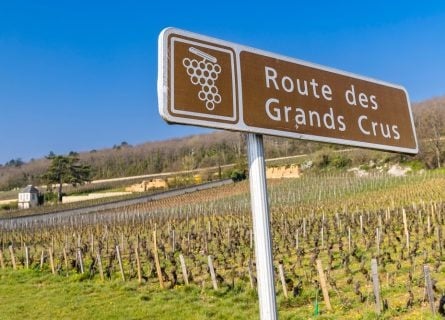
Travel between villages is straightforward by car or bicycle. The Route des Grands Crus connects many of the most important sites and offers a practical way to explore the region at your own pace.
Actionable Tips for Tasting and Buying Côte d’Or Wines
1. Start with Producers, Then Narrow to Vineyards
A strong producer can elevate wines at every classification level. Focus on domaines with a consistent reputation before chasing specific vineyard names.
2. Use Village Wines as a Benchmark
Village-level wines provide an excellent balance of price and expression. They are often the best way to understand the character of a specific area.
3. Pay Attention to Vintage Variation
Burgundy is highly sensitive to weather conditions. Warmer vintages tend to be more approachable earlier, while cooler vintages often reward patience.
4. Look for Value in Premier Cru Sites
If Grand Cru pricing is out of reach, Premier Cru wines from villages like Puligny-Montrachet or Nuits-Saint-Georges can offer excellent quality and aging potential.
Conclusion: A Region Defined by Precision
The Côte d’Or is not just a wine region. It is a framework for understanding how place shapes flavor. From the structured Pinot Noir of the Côte de Nuits to the mineral-driven Chardonnay of the Côte de Beaune, every bottle reflects a precise intersection of geology, climate, and tradition.
For travelers, it offers a rare combination of accessibility and depth. For wine lovers, it remains the ultimate reference point.
Whether planning a visit or selecting your next bottle, the Côte d’Or rewards curiosity and attention to detail.