
Chablis: The Purest Expression of Chardonnay
- Posted on
- By Tim Graham
- Posted in burgundy, chablis, Chablis Grand Cru, Chablis Premier Cru, chardonnay, france, Petit Chablis
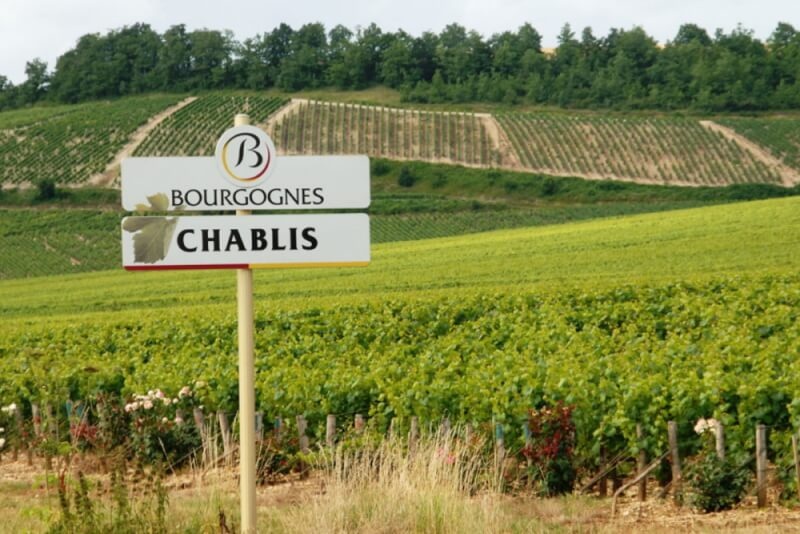
Chablis remains one of the most transparent expressions of terroir in the wine world. It is Chardonnay without excess. No heavy oak, no exaggerated ripeness, no distraction from terroir. For those seeking precision over power and structure over richness, Chablis is not just an alternative, it is the benchmark.
Chablis: The Purest Expression of Chardonnay
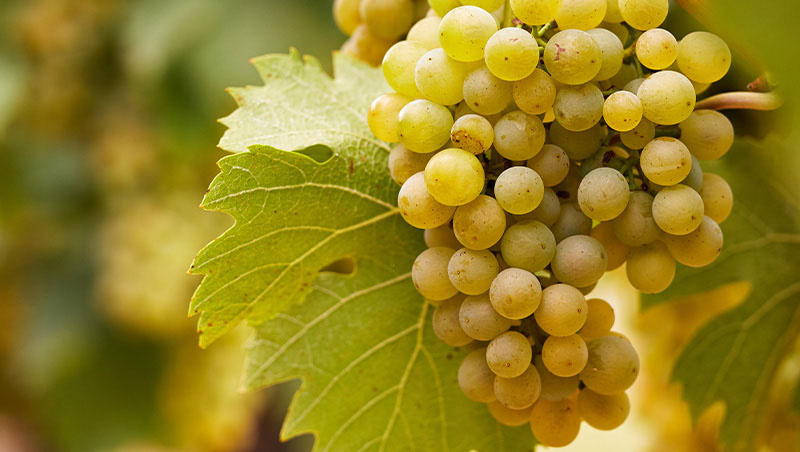
Chablis sits at the northernmost edge of Burgundy, closer to Champagne than to the Côte d’Or. This geographic isolation defines everything about the wines. The climate is cool, the growing season is marginal, and the results are some of the most linear, mineral-driven expressions of Chardonnay in the world. Because of its cool northern location there is uncertainty about ripening and considerable vintage variation from year to year. The early ripening characteristic of Chardonnay is an advantage.
At its core, Chablis is not just about a grape, it is about restraint, tension, and clarity. These are wines that prioritize structure over opulence and site over winemaking. You taste where the wine comes from, not the winemaker's hand in producing the wine.
---
Chardonnay in Chablis: Why It Tastes Different
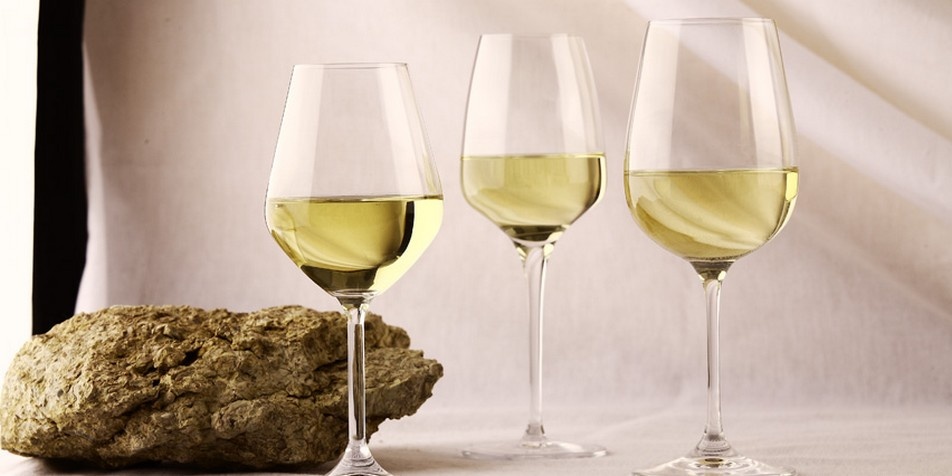
Chardonnay is grown throughout Burgundy and across the globe, yet it behaves very differently in Chablis.
In warmer regions, whether the Côte de Beaune, California, or Australia, Chardonnay tends to produce wines with ripe fruit, broader texture, and often noticeable oak influence.
In contrast, Chablis is defined by:
High acidity due to the cool climate
Lower alcohol levels and restrained ripeness
Minimal oak influence (especially at the village level)
A strong mineral character, often described as chalky, saline, or flinty
The result is a style that leans toward citrus (lemon, lime), green apple, and subtle orchard fruit, with a pronounced freshness and a long, clean finish. Where Meursault might feel rich and layered, Chablis feels precise and focused. The general trend is for no or minimal oak flavor, although fermentation and ageing in oak can be used by some producers for premier and grand crus.
---
The Soils: Kimmeridgian vs. Portlandian
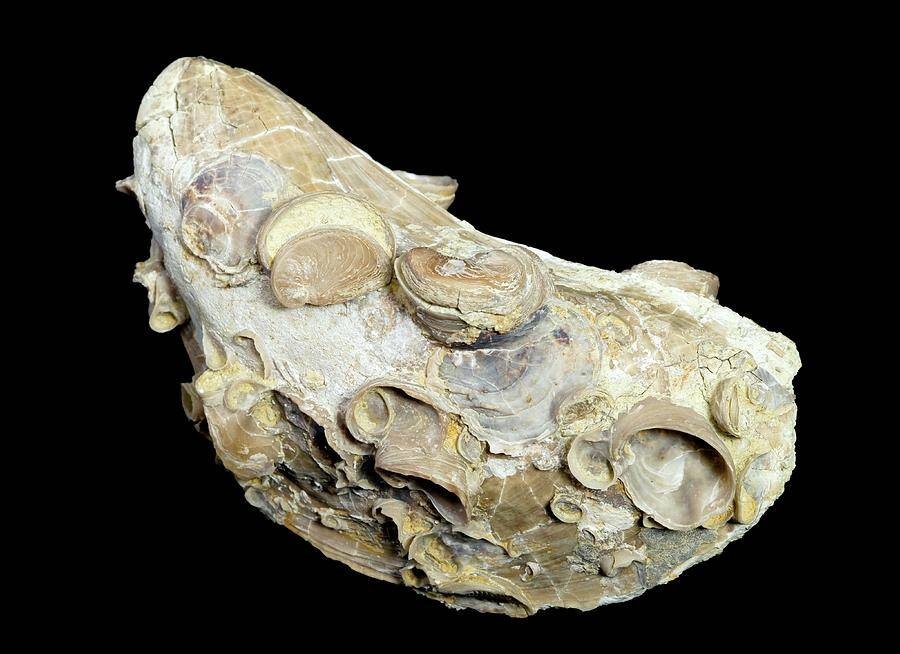
The defining feature of Chablis is its soil, specifically Kimmeridgian limestone, a mixture of clay and fossilized marine sediments dating back roughly 150 million years.
This fossil-rich soil is believed to contribute directly to the wines’ signature minerality. While “minerality” is a debated term, in Chablis it often translates to saline notes, chalky texture, an a subtle oyster-shell character. There is also Portlandian limestone, found primarily in Petit Chablis sites. These soils are younger and less complex, generally producing lighter, simpler wines.
The hierarchy of Chablis is, in large part, a hierarchy of soil quality and exposure.
---
The AOC Hierarchy of Chablis
Before breaking down the individual levels, it’s important to define what AOC means.
AOC (Appellation d’Origine Contrôlée) is France’s official system for classifying wines (and other agricultural products) based on geographic origin and strict production rules. Established in the 1930s, the system is designed to protect authenticity and ensure that a wine reflects its place of origin.
For wine, an AOC designation governs:
Where the grapes are grown (specific geographic boundaries)
Which grape varieties are permitted (in Chablis, exclusively Chardonnay)
Viticultural practices (planting density, yields, harvesting methods)
Winemaking standards (alcohol levels, aging requirements, etc.)
In Chablis, the AOC system creates a clear hierarchy based on site quality, soil composition, and vineyard exposure, moving from broader, more accessible wines to highly specific, terroir-driven expressions.
From lowest to highest, the classifications are:
Petit Chablis
Chablis
Chablis Premier Cru
Chablis Grand Cru
Each step up reflects tighter geographic definition and, typically, greater complexity, depth, and aging potential.
---
Petit Chablis
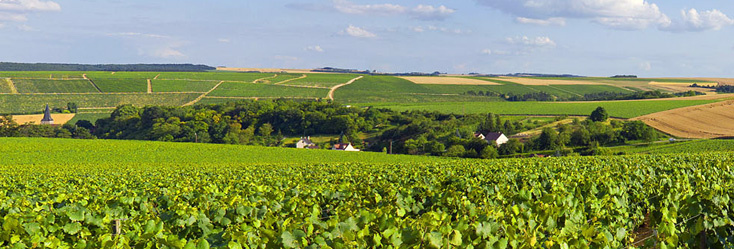
Petit Chablis sits on the outer edges of the region, often on higher, wind-exposed plateaus with Portlandian soils. The vineyards are on cooler, flat land and influence the style of this designation.
Style:
Light-bodied
Bright acidity
Citrus-driven (lemon, grapefruit)
Minimal complexity
Role:
An introduction to the region: fresh, accessible, and best consumed young.
Perfect Pairings:
Oysters and clams
Shrimp cocktails
Light salads with vinaigrette
Goat cheese
---
Chablis (Village Level)
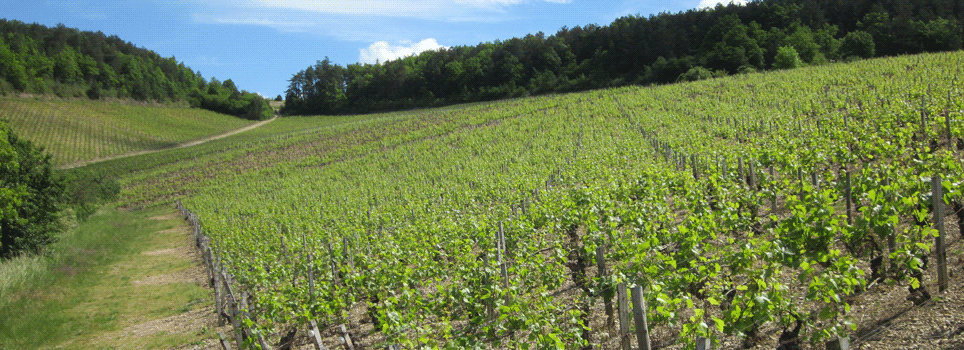
This is the backbone of the region, sourced from vineyards surrounding the town of Chablis, often on Kimmeridgian soils. The vineyards are planted on flat land and gently sloping hills.
Style:
Medium-bodied
Crisp and structured
Green apple, lemon, subtle stone fruit
Noticeable mineral backbone
Role:
A clear expression of Chablis typicity with a balance between fruit and minerality.
Perfect Pairings:
Raw bar selections
Sushi and sashimi
Roast chicken with herbs
Fresh cheeses
---
Chablis Premier Cru
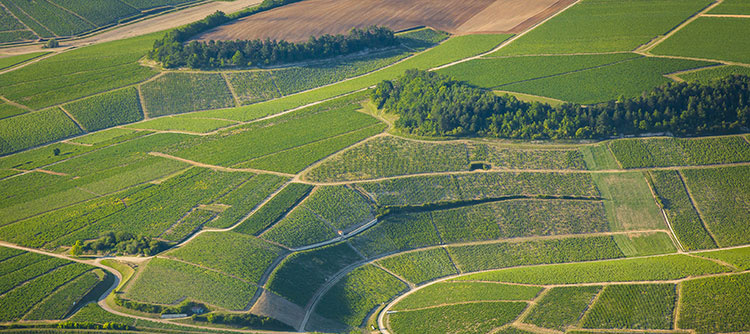
Premier Cru vineyards are more favorably positione. 40 named vineyards have premier cru status and are predominantly on south- and south-east-facing slopes of Kimmeridgian soil.
Style:
Greater depth and concentration
More pronounced minerality
Potential for subtle oak influence
Longer finish and aging potential
Role:
Bridges the gap between everyday Chablis and the elite Grand Crus.
Pairings:
Seared scallops
Lobster with minimal butter
Poultry in cream sauces
Mushroom-based dishes
---
Chablis Grand Cru
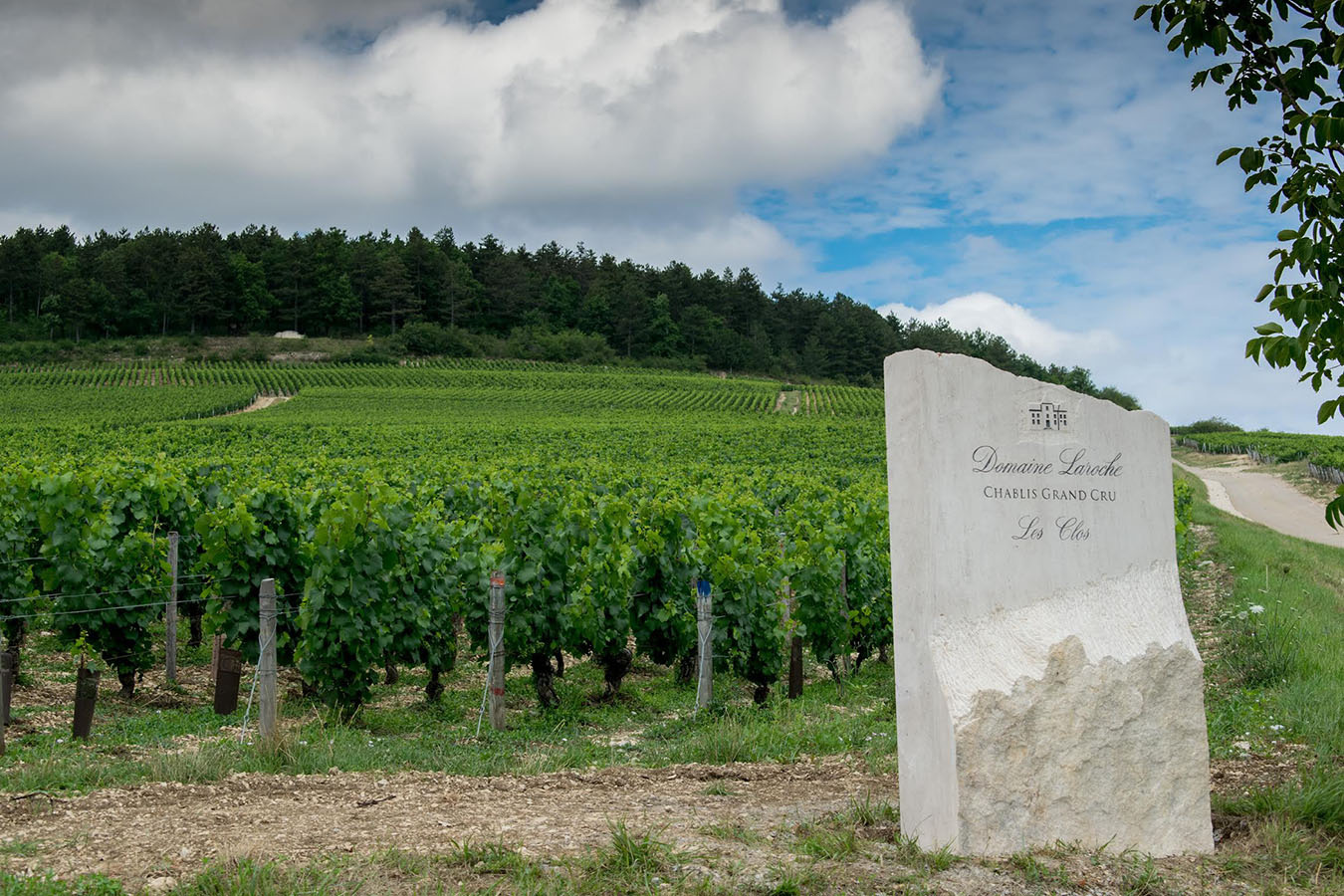
All seven Grand Cru vineyards sit on a single, hillside immediately next to the village itself, faces south-west, on the right bank of the River Serein, and is on Kimmeridgian soil. The south-facing slopes promote ripening and the wines have a greater weight and concentration than either premier cru or village level Chablis. The grand cru vineyards also benefit from shelter from winds coming from the north due to a belt of trees between them and the adjacent Petit Chablis vineyards. Chablis Grand Cru account for just 1% of the region's production.
Style:
Full-bodied (by Chablis standards)
Intense, layered, and structured
Flint, citrus oil, orchard fruit, and saline notes
Significant aging potential (10–20+ years)
Role:
The pinnacle of Chablis, where power meets precision with greater concentration, body and capacity to age.
Perfect Pairings:
Lobster and crab
Turbot or halibut with beurre blanc
Foie gras
Aged cheeses like Comté
---
Viticulture in Chablis: Farming on the Edge
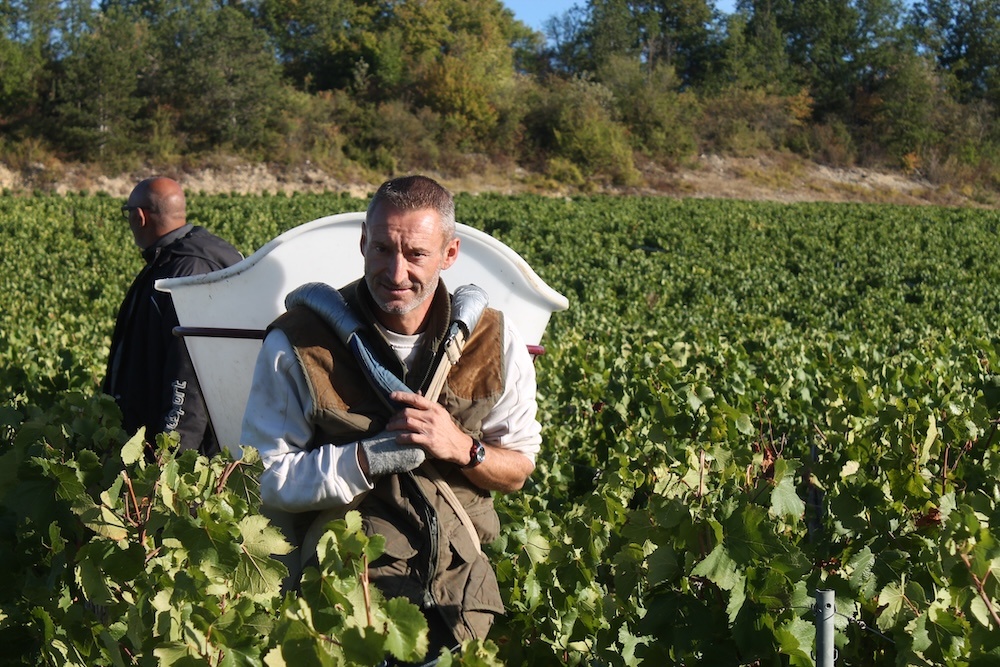
Chablis is a challenging place to grow grapes. Spring frosts are a constant threat, and growers often rely on smudge pots and heaters to keep the vineyards warm and ice of the vines, or more commonly, water sprinkling systems to form protective ice layers on the vines. Because of its cool northern location there is uncertainty about ripening and considerable vintage variation from year to year.
The growing season is short, and achieving full ripeness requires careful vineyard management.
Key practices include:
High-density planting to encourage competition and concentration
Canopy management to maximize sunlight exposure
Mechanical and sustainable farming, increasingly including organic and biodynamic practices
Harvest decisions are critical. Picking too early results in sharp, underdeveloped wines; too late risks losing the region’s defining acidity.
---
The Clearest Voice of Place
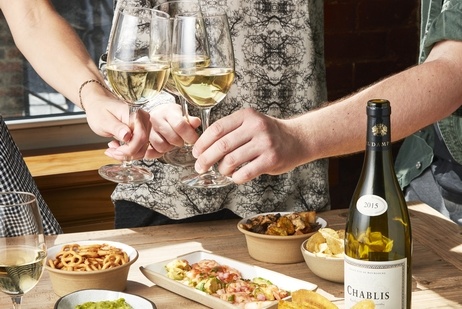
Chablis remains one of the most transparent expressions of terroir in the wine world. It is Chardonnay without excess. No heavy oak, no exaggerated ripeness, no distraction from terroir.
What defines Chablis is not just its grape, but its combination of cool climate, fossil-rich soils, and disciplined winemaking. From the bright immediacy of Petit Chablis to the layered complexity of Grand Cru, the region offers a complete spectrum of expression within a single variety.
For those seeking precision over power and structure over richness, Chablis is not just an alternative, it is the benchmark.