Albariño: Spain's Seaside White
- Posted on
- By Tim Graham
- Posted in albariño, galicia, rias baixas, spain, valvarinho, White Wine

If you love a crisp, refreshing white wine but want something beyond Sauvignon Blanc and Pinot Grigio, Albariño is the bottle you have been waiting for. It is the grape behind Spain's most celebrated seaside white, and it was practically made for South Florida weather. Here is everything you need to know before your next visit to the shop.
The Basics of Albariño
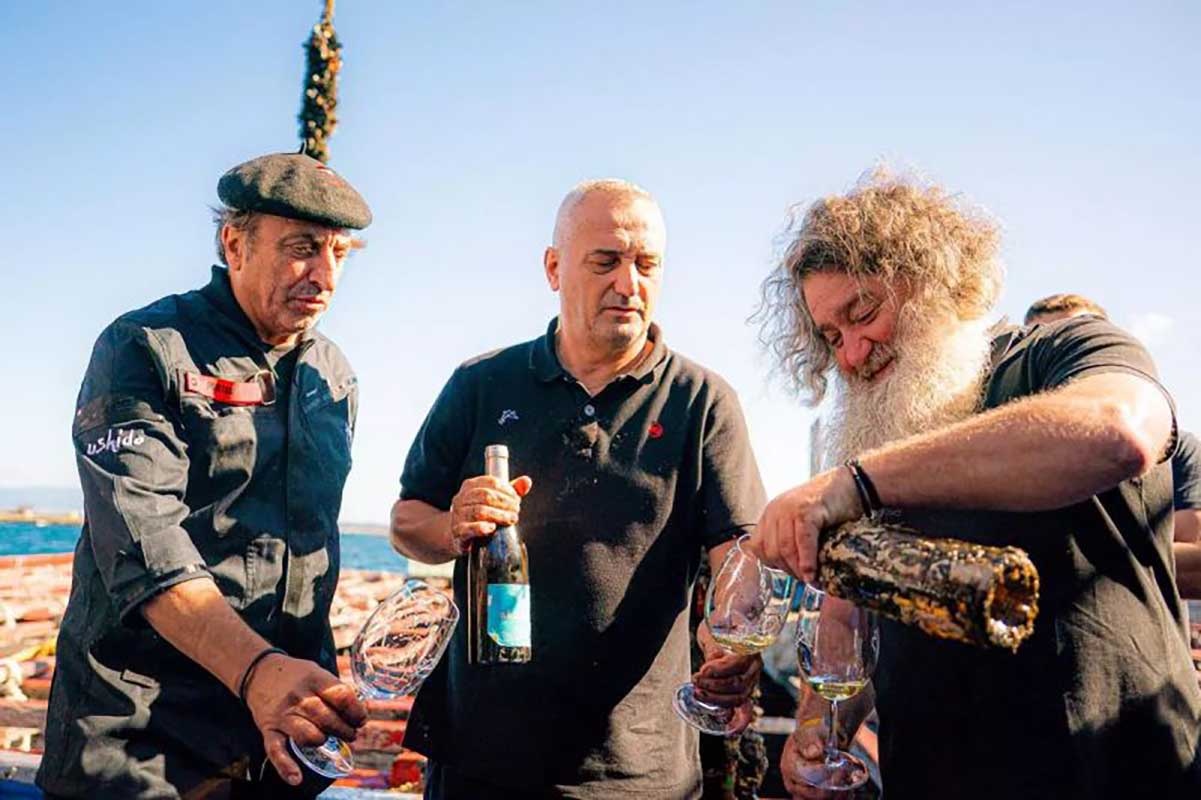
Albariño (pronounced al-bah-REEN-yo) is a white grape variety native to the northwestern corner of Spain, in the green, rain-soaked region of Galicia. It has been grown there for centuries, and for most of that time it was a local secret, poured in fishing villages and rarely seen outside the region. Over the past thirty years it has become one of Spain's most respected white grapes and a favorite of sommeliers around the world.
The grape itself is small and thick-skinned, which helps it survive Galicia's damp, Atlantic climate. That thick skin also gives the wine a surprising amount of texture and concentration for something so light on its feet.
In the glass, Albariño is typically pale straw to light gold. The aromas are bright and inviting: think white peach, apricot, lime zest, grapefruit, and a floral note like orange blossom. Many bottles carry a distinct saline, sea-spray quality that reminds you how close the vineyards sit to the ocean. On the palate it is dry, medium-bodied, and lively, with mouth-watering acidity that keeps every sip feeling fresh.
Albariño is usually bottled unoaked, so the fruit stays front and center. Alcohol tends to sit in the moderate range, around 12 to 13.5 percent, which makes it an easy wine to enjoy over a long lunch or an afternoon by the pool. It is best served well chilled, and most bottles are meant to be opened within a few years of the vintage, though the best examples can age gracefully for a decade or more.
Where Albariño is Grown
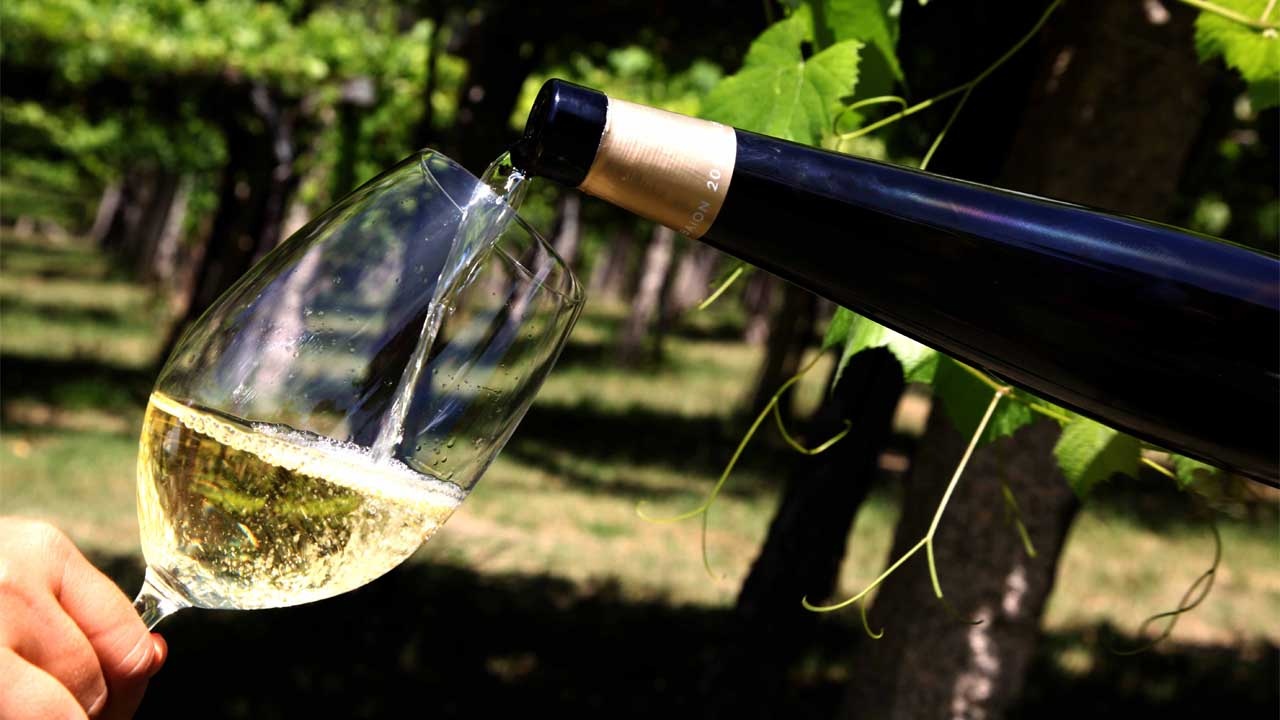
Albariño's spiritual home is Rías Baixas (pronounced REE-ahs BYE-shas), a wine region on the Atlantic coast of Galicia, just north of the Portuguese border. The name means "lower estuaries," and it describes the landscape perfectly: a jagged coastline of inlets, beaches, and fishing harbors. Vines here are often trained on high stone-and-wire trellises called parras, which lift the grapes off the wet ground and let the sea breezes dry them out. Rías Baixas is cool, cloudy, and rainy by Spanish standards, and that climate is the reason Albariño keeps its racy acidity.
Rías Baixas has several sub-zones, and you may see them on labels. Val do Salnés, right on the coast, produces the leanest and most saline wines. Condado do Tea and O Rosal sit inland along the Miño River and tend to make rounder, more peachy styles. Any of them is a safe bet, but if you want the classic ocean-fresh character, look for Salnés.
Just across the river in Portugal, the same grape is called Alvarinho. It is a key player in Vinho Verde, Portugal's famously light and zesty white, and the best single-variety Alvarinho comes from the Monção e Melgaço area. Portuguese versions are often a touch riper and fuller than their Spanish cousins, and they can be wonderful values.
Albariño has also found a second life in the New World. Growers in California, Oregon, Washington, Uruguay, Australia, and New Zealand have planted it, drawn by its ability to stay fresh in warm climates. These wines tend to be fruitier and softer than the Spanish originals, and they are a fun way to taste how one grape expresses different places. We rotate a few of these through the shop, so ask us what is on the shelf.

The Wine Styles of Albariño
Most Albariño you will meet is the classic style: fermented in stainless steel, bottled young, and built to show off pure fruit and bright acidity. This is the version that made the grape famous, and it is the one to reach for when you want something cold, crisp, and uncomplicated. Expect peach, citrus, a hint of salt, and a clean finish. These wines are usually the most affordable and are at their best within two or three years of the vintage.
A growing number of producers are making a richer, more serious style. Some leave the wine resting on its lees (the spent yeast cells) for several months, which adds a creamy texture and subtle bready notes without losing freshness. Others ferment or age in large, neutral oak barrels, or more recently in concrete or clay, to add weight and complexity rather than oak flavor. These wines are often labeled with terms like sobre lías (on the lees) or with a single vineyard name, and they can be remarkable with a few years of age, developing honeyed, nutty, almost Riesling-like depth.
You will also find some sparkling Albariño, made in the traditional method like Champagne. It is still a small category, but the grape's natural acidity suits bubbles beautifully, and these bottles make a terrific aperitif.
In Portugal, Alvarinho shows up both as a varietal wine and as a component in Vinho Verde blends, where it may carry a gentle spritz. New World versions, especially from warmer parts of California, lean toward ripe tropical fruit and a rounder mouthfeel.
The simplest way to navigate: if the label just says Rías Baixas or Albariño, expect the fresh classic style. If you see a vineyard name, a mention of lees aging, or a price above the usual range, you are likely looking at one of the richer, more age-worthy bottles.

Food Pairings for Albariño
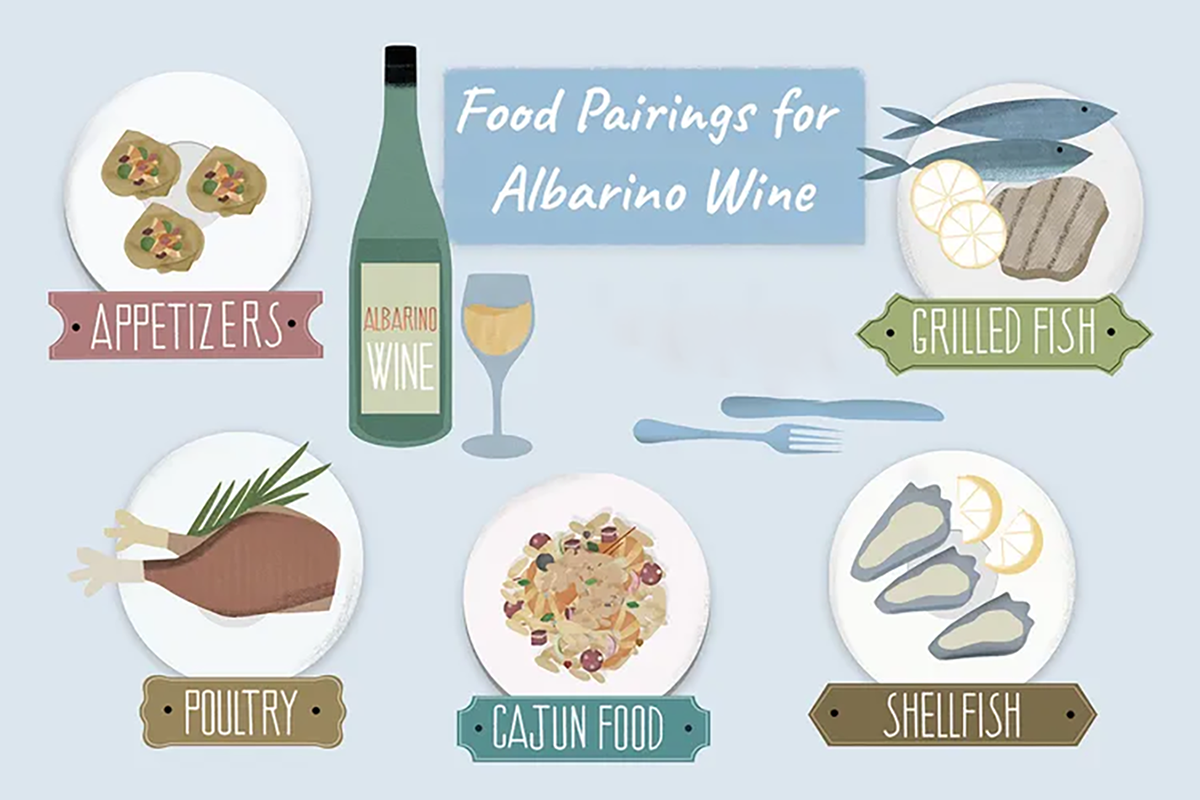
Albariño grew up next to the ocean, and seafood is where it shines. In Galicia it is poured alongside grilled octopus, steamed mussels, clams in white wine, and plates of tiny fried fish. Here in South Florida, that translates beautifully to stone crab, peel-and-eat shrimp, ceviche, grilled mahi, and a raw bar of oysters. The wine's acidity cuts through richness and its salty edge echoes the brine of shellfish.
It is also a natural partner for lighter fare. Try it with a summer salad, a lemony chicken, grilled vegetables, or goat cheese. The wine's gentle fruit works with a little heat, too, so it handles Thai, Vietnamese, and many Latin dishes with ease. Fish tacos with a squeeze of lime are close to a perfect match.
The richer, lees-aged styles can stand up to heartier dishes: roast chicken, pork tenderloin, creamy pasta, or a seafood paella. Sparkling Albariño is lovely with fried foods, from calamari to croquetas, and makes a lively start to any dinner party.
A few serving tips: chill the wine to around 45 to 50°F, which is a bit warmer than you would serve a Pinot Grigio, so the aromas can open up. Use a standard white wine glass. Once opened, a bottle keeps well in the refrigerator for two or three days.
Albariño is the kind of wine that fits almost any occasion: a weeknight dinner, a backyard cookout, or a bottle to bring when you are not sure what the host is cooking. Stop by The Wine Wave and we will help you find the style that suits your table.